Nice review of the series;
Review from WordPress.com
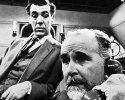
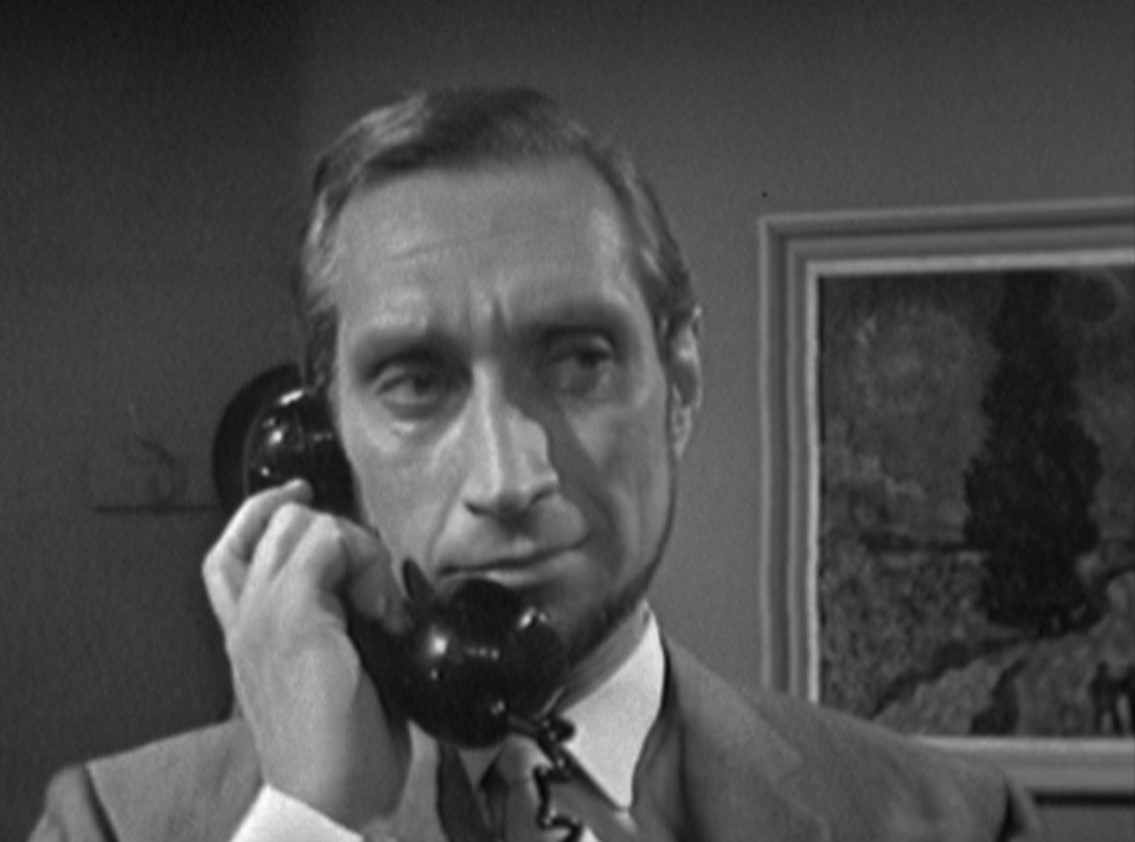
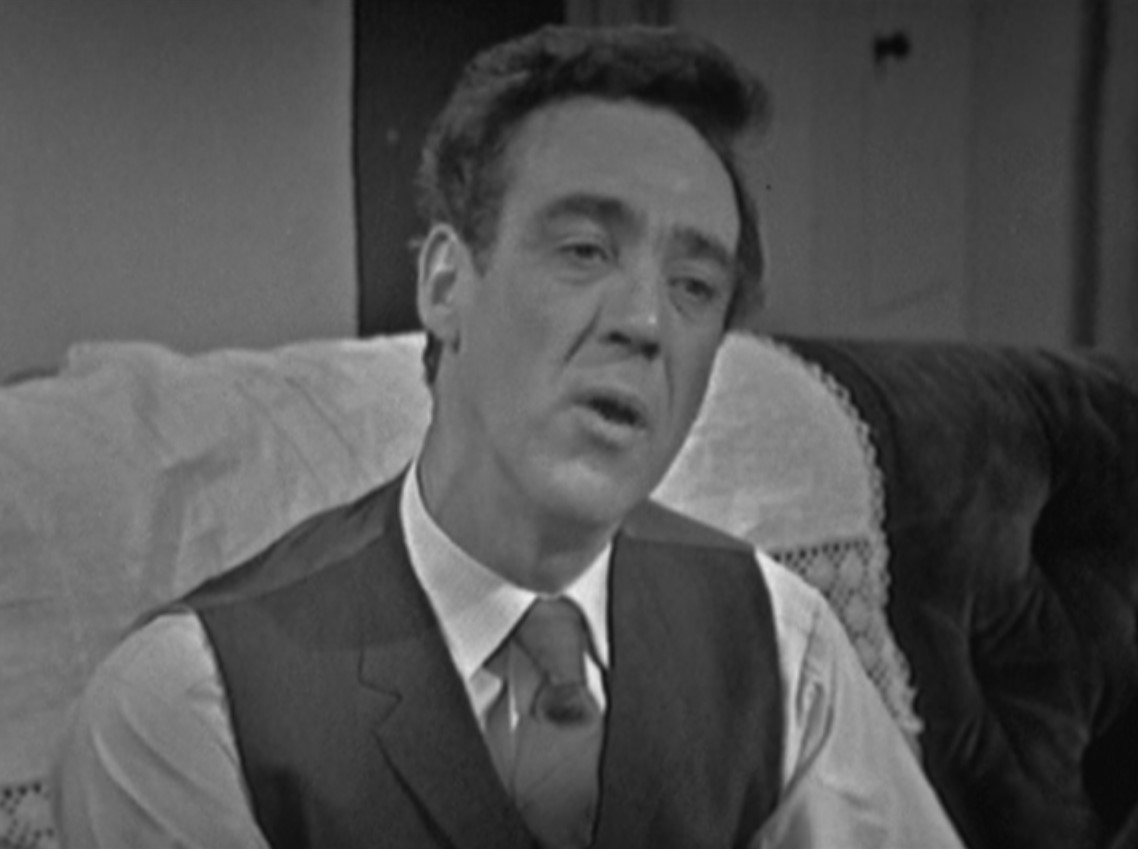
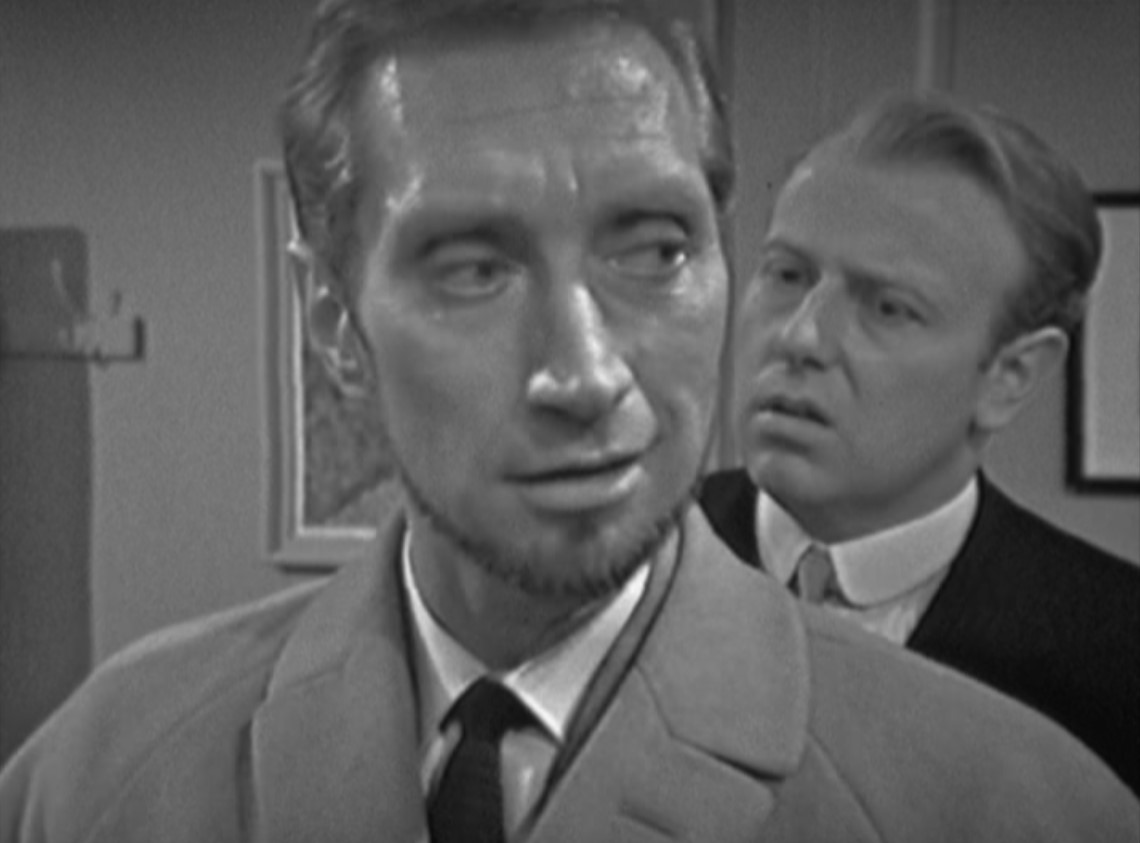
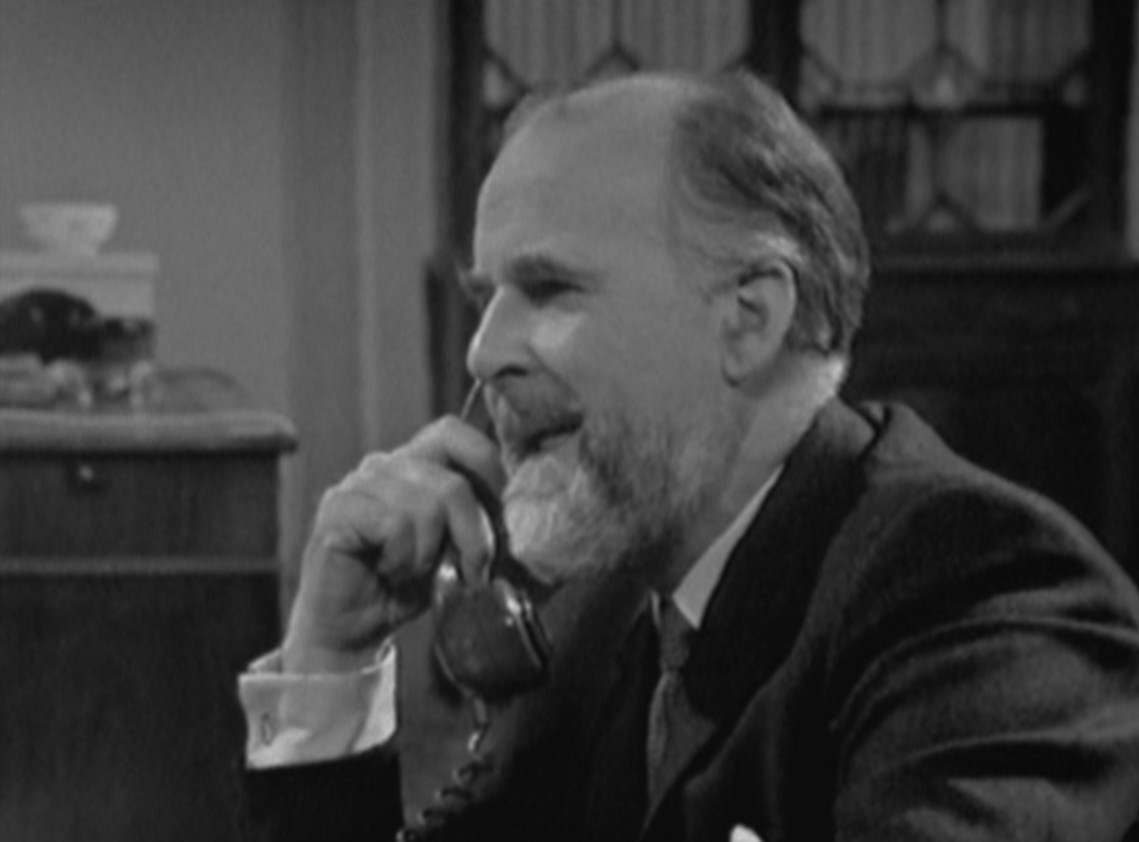
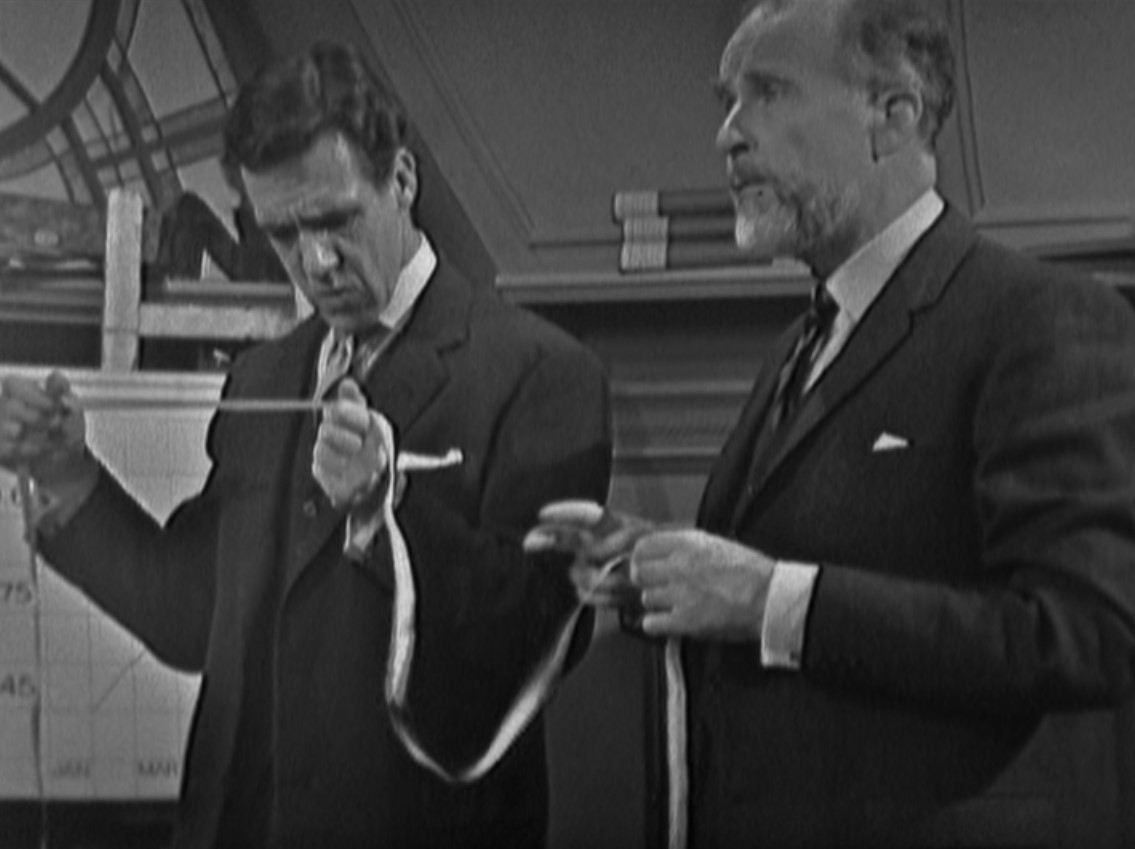
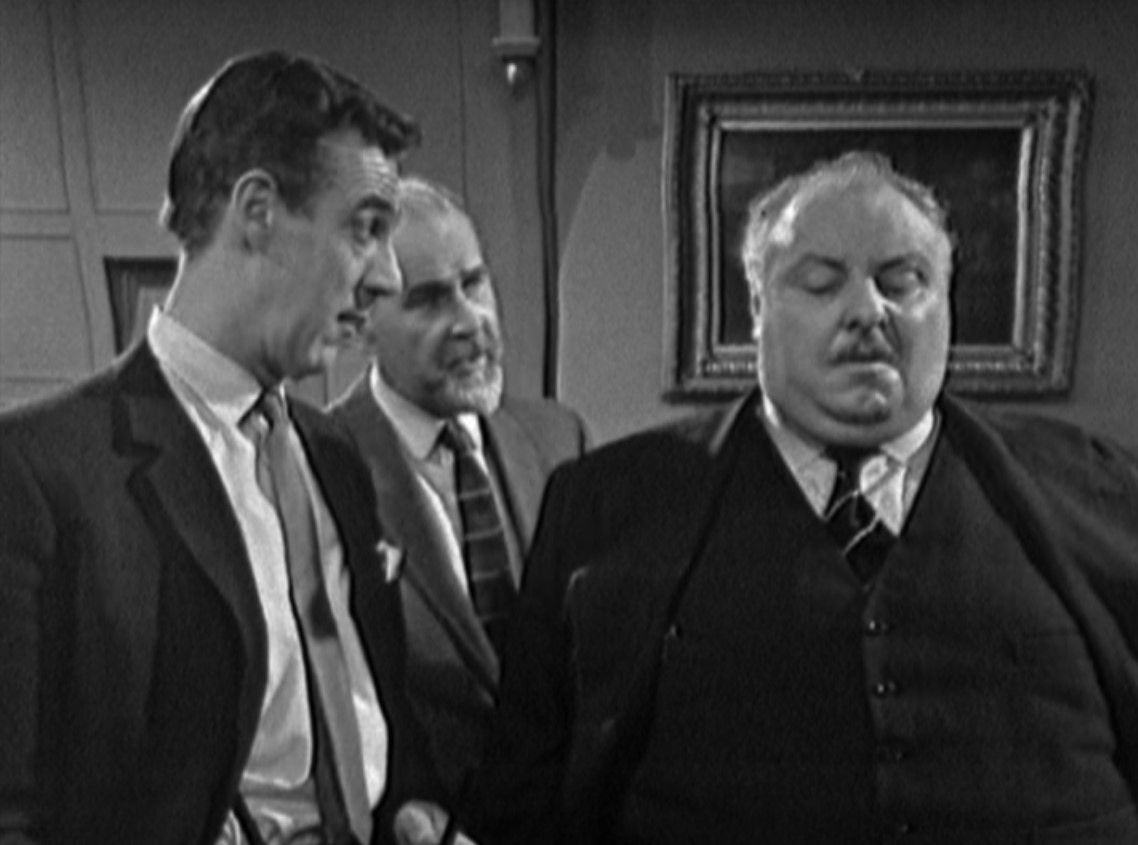
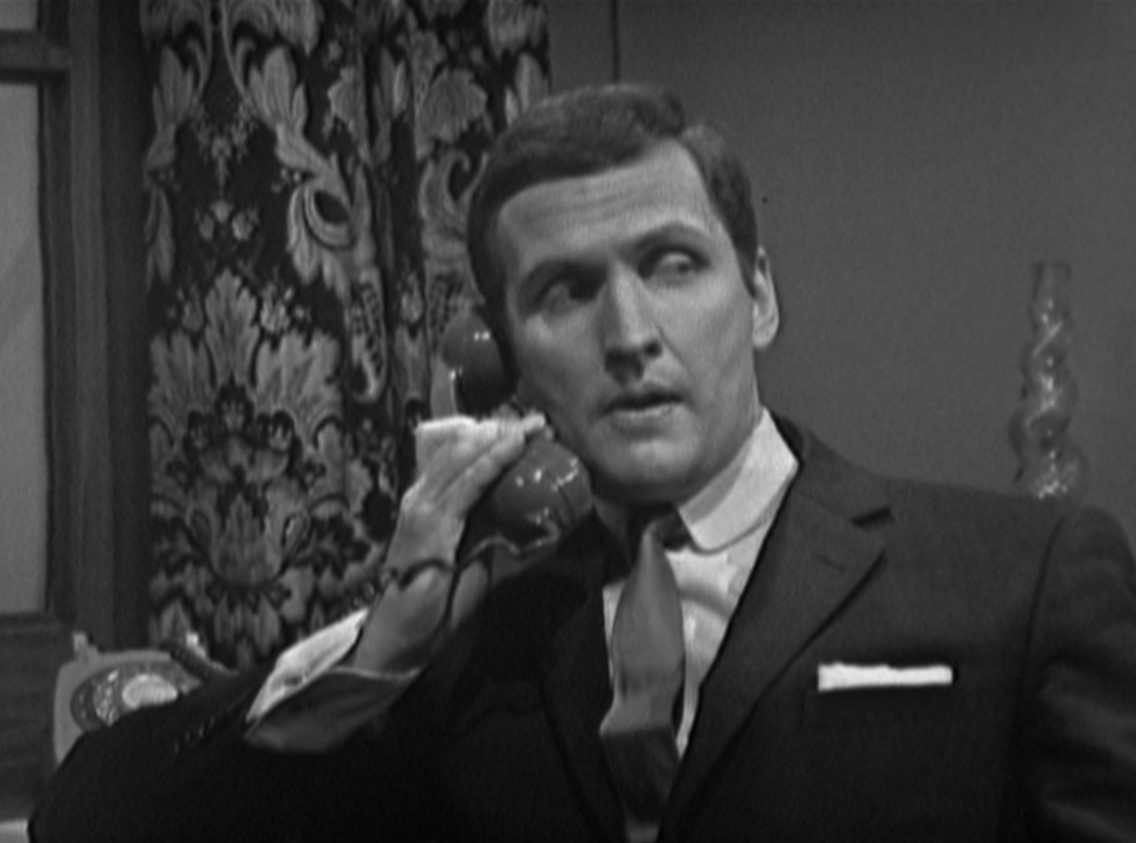
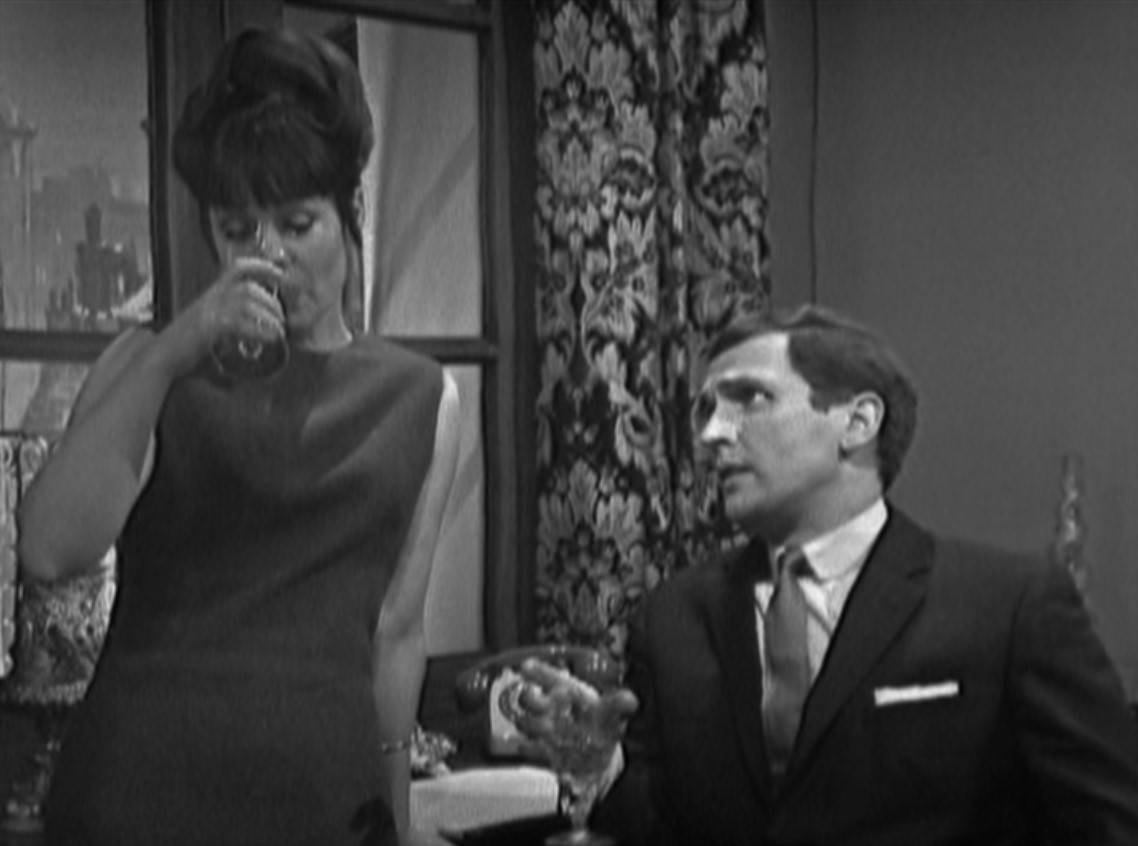
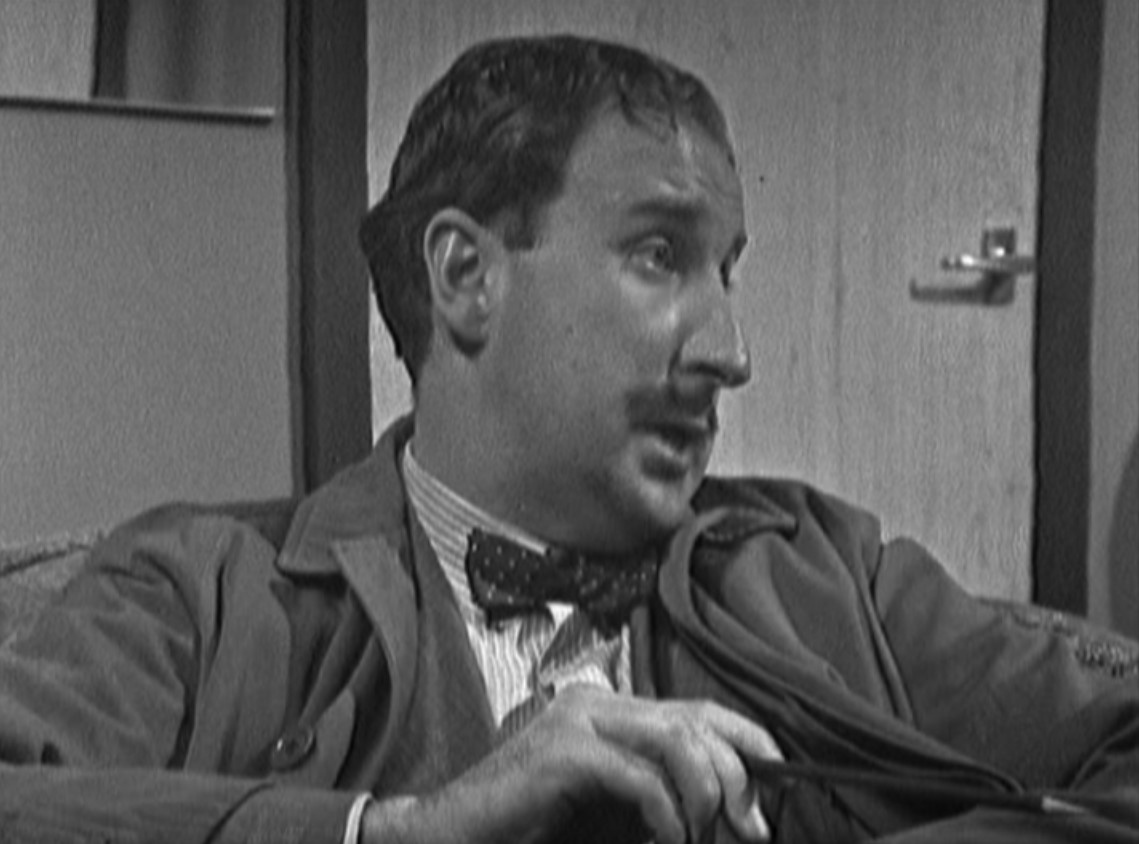
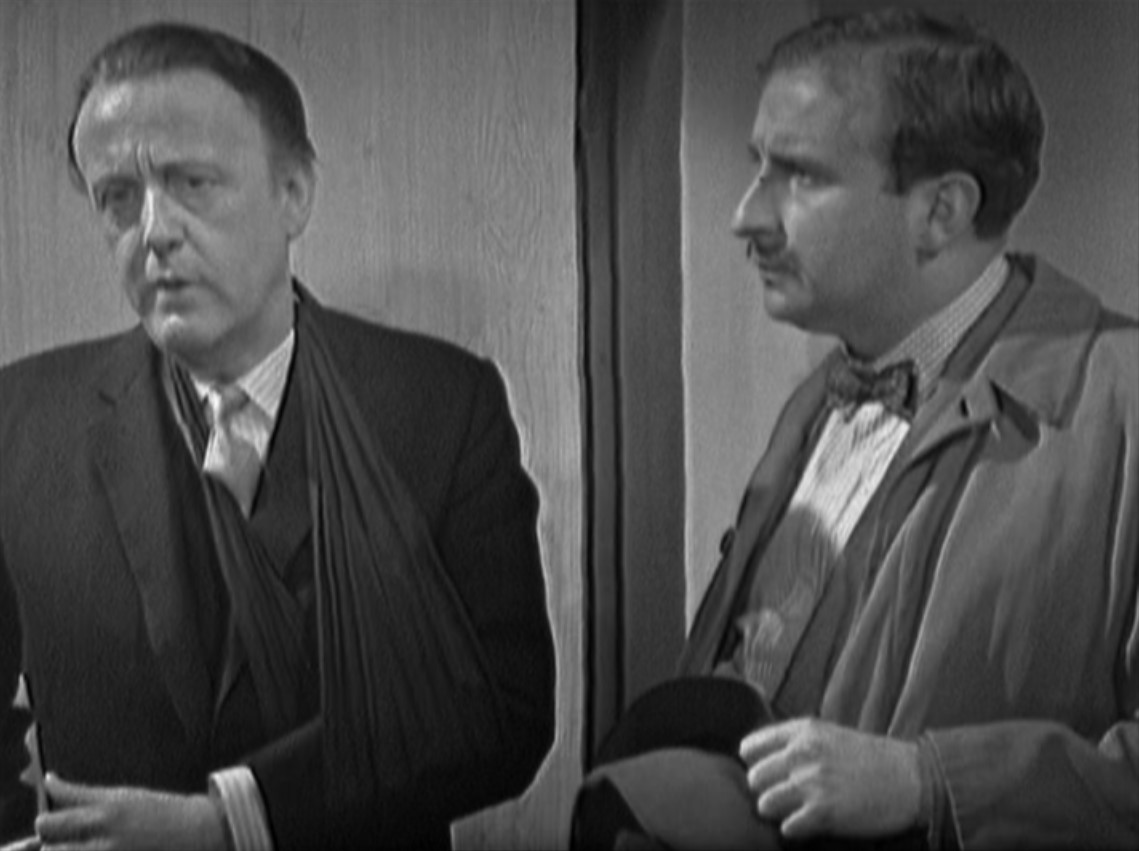
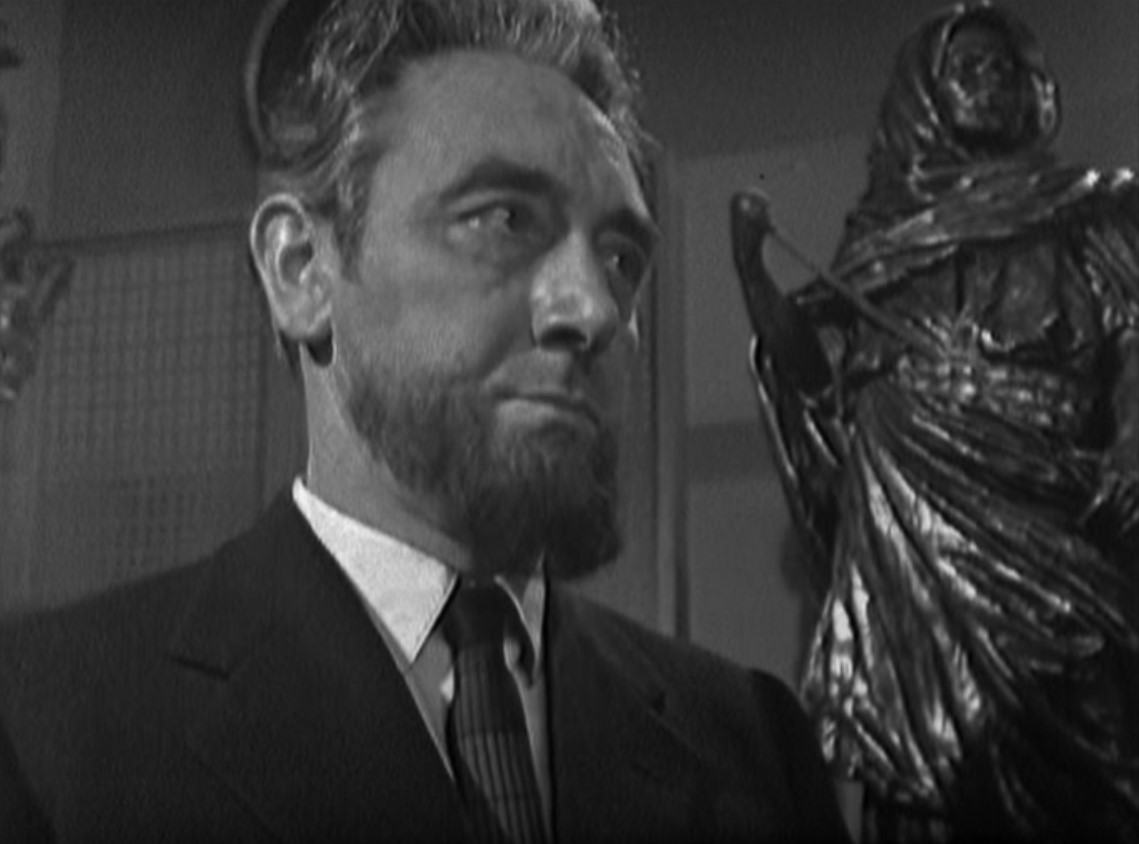
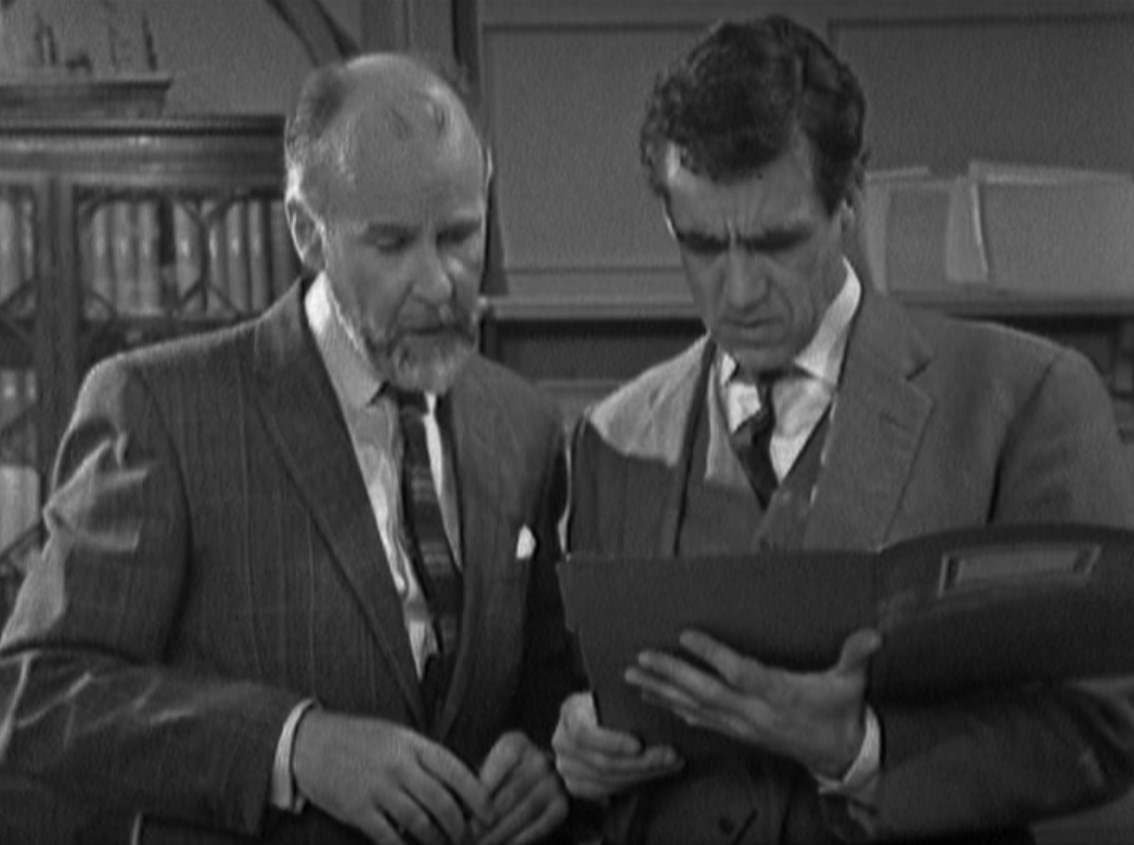
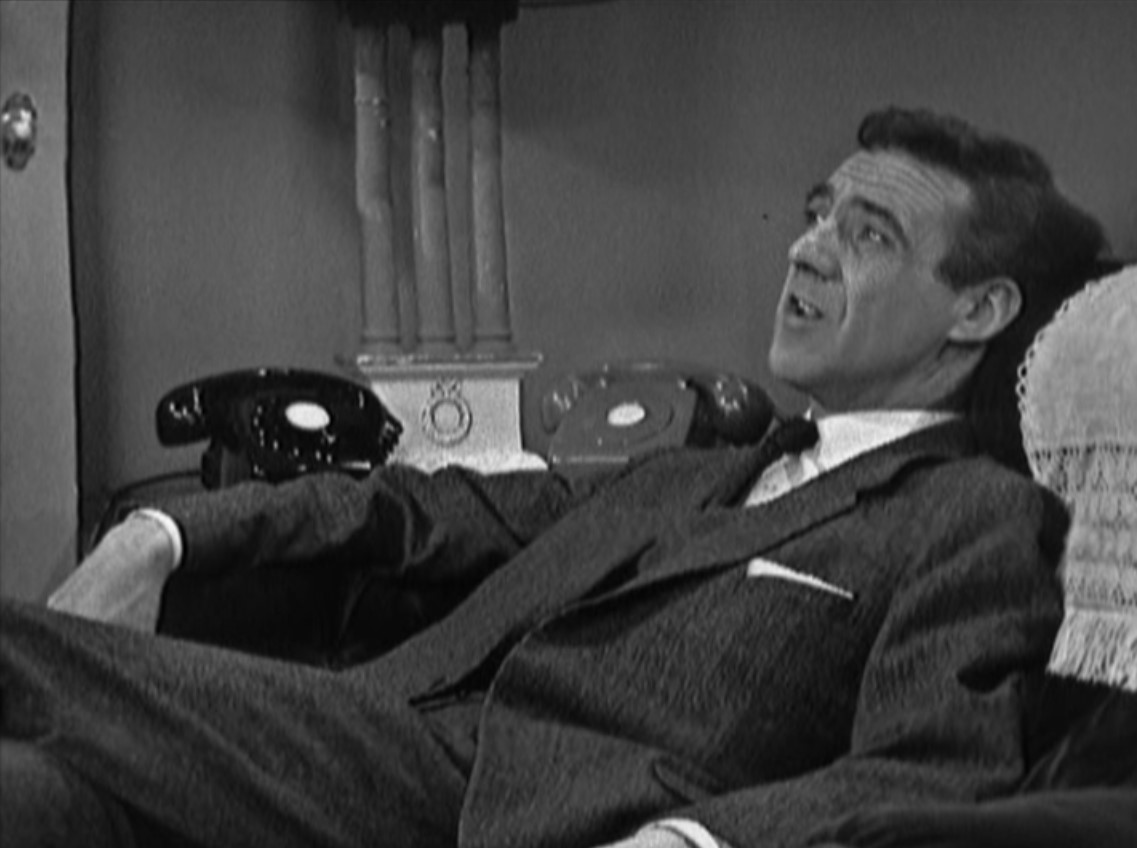
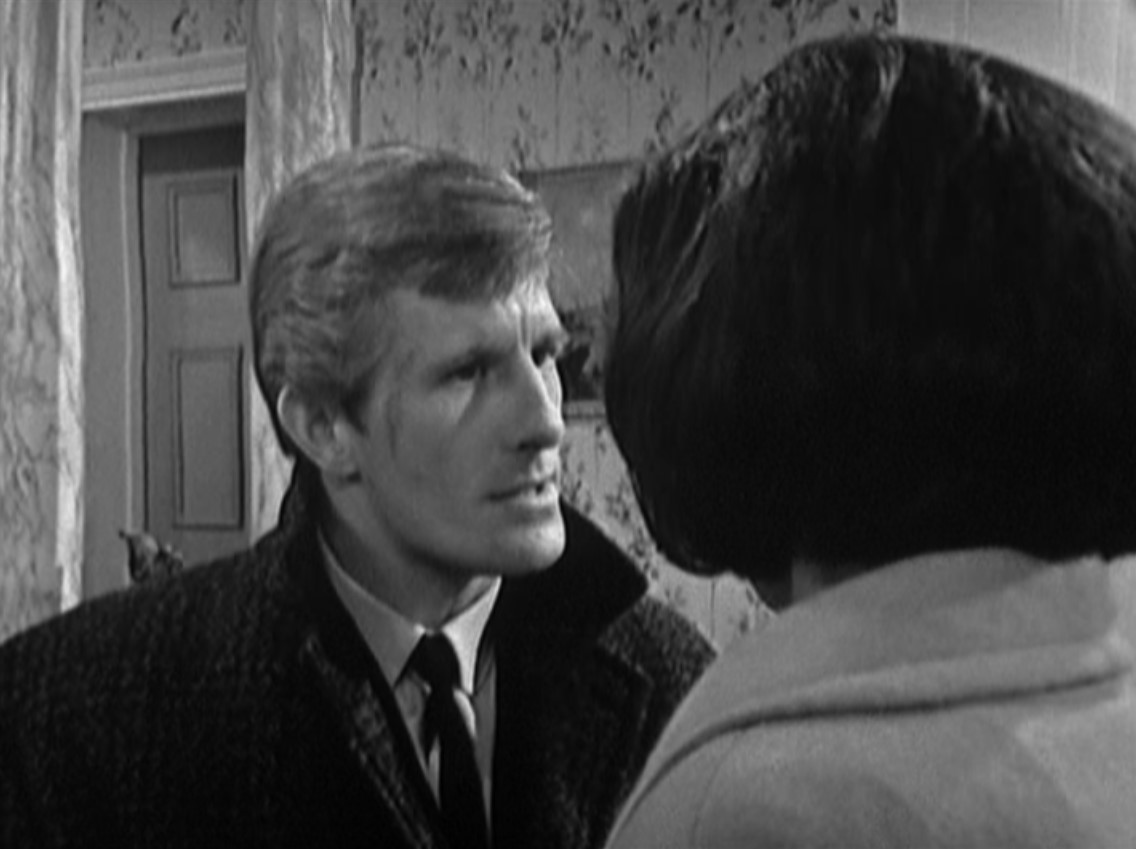
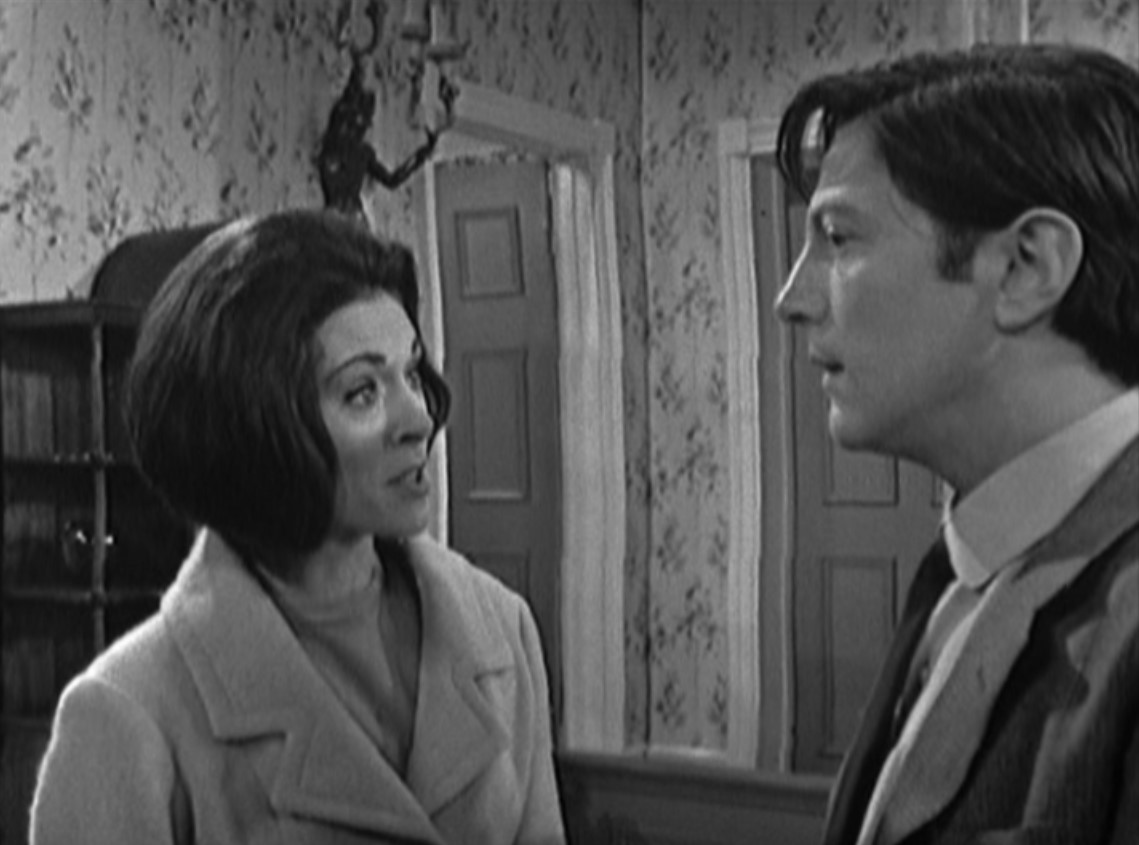
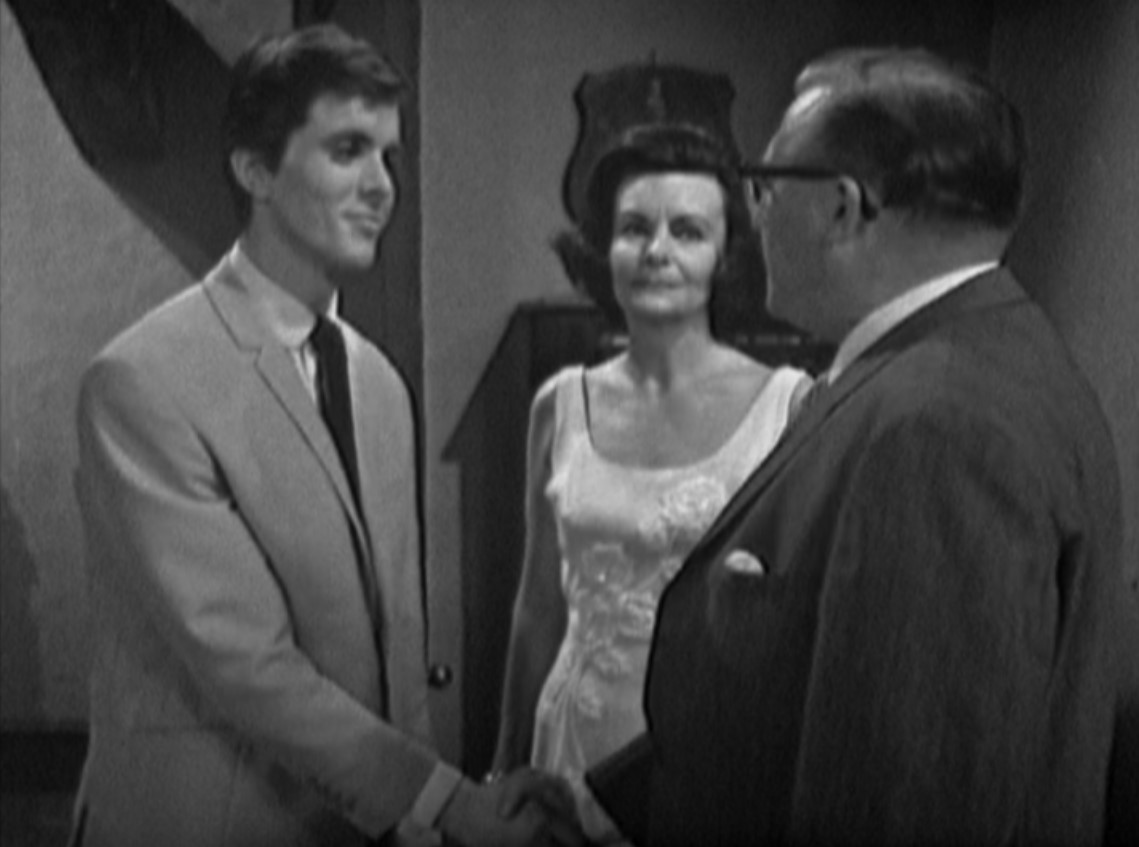
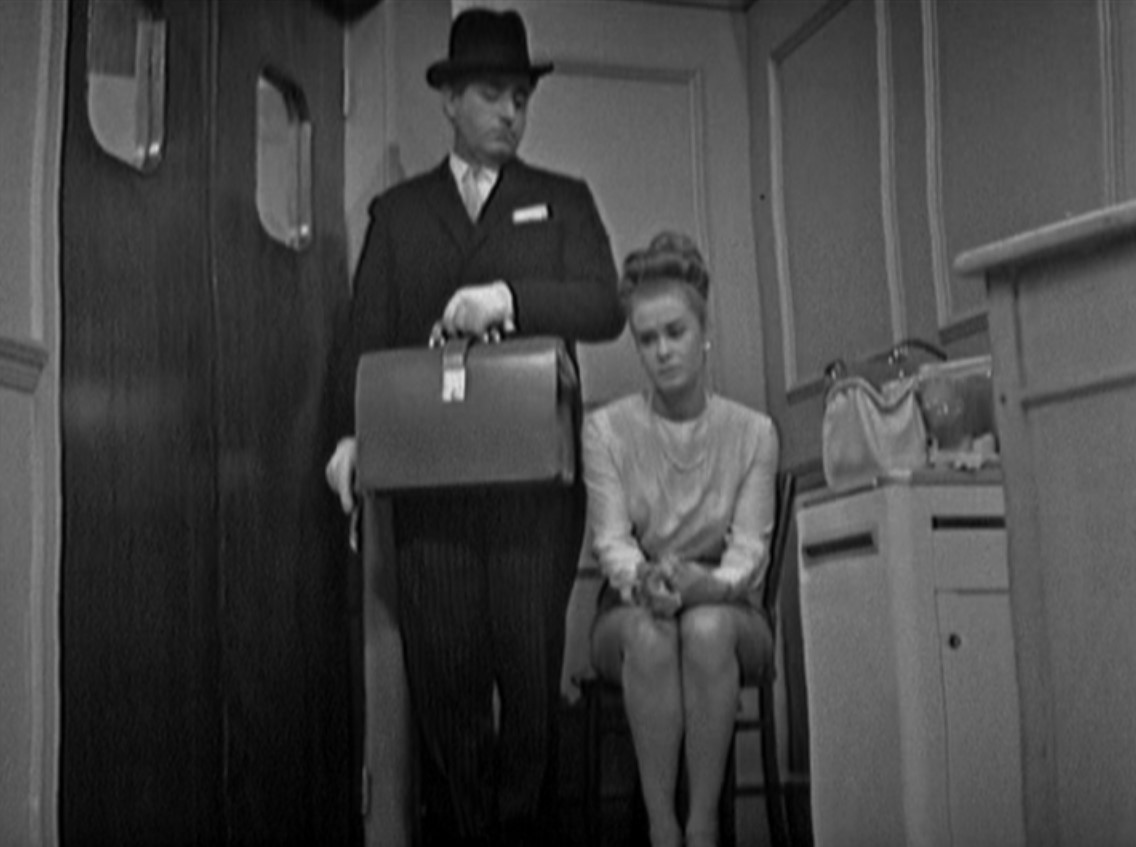
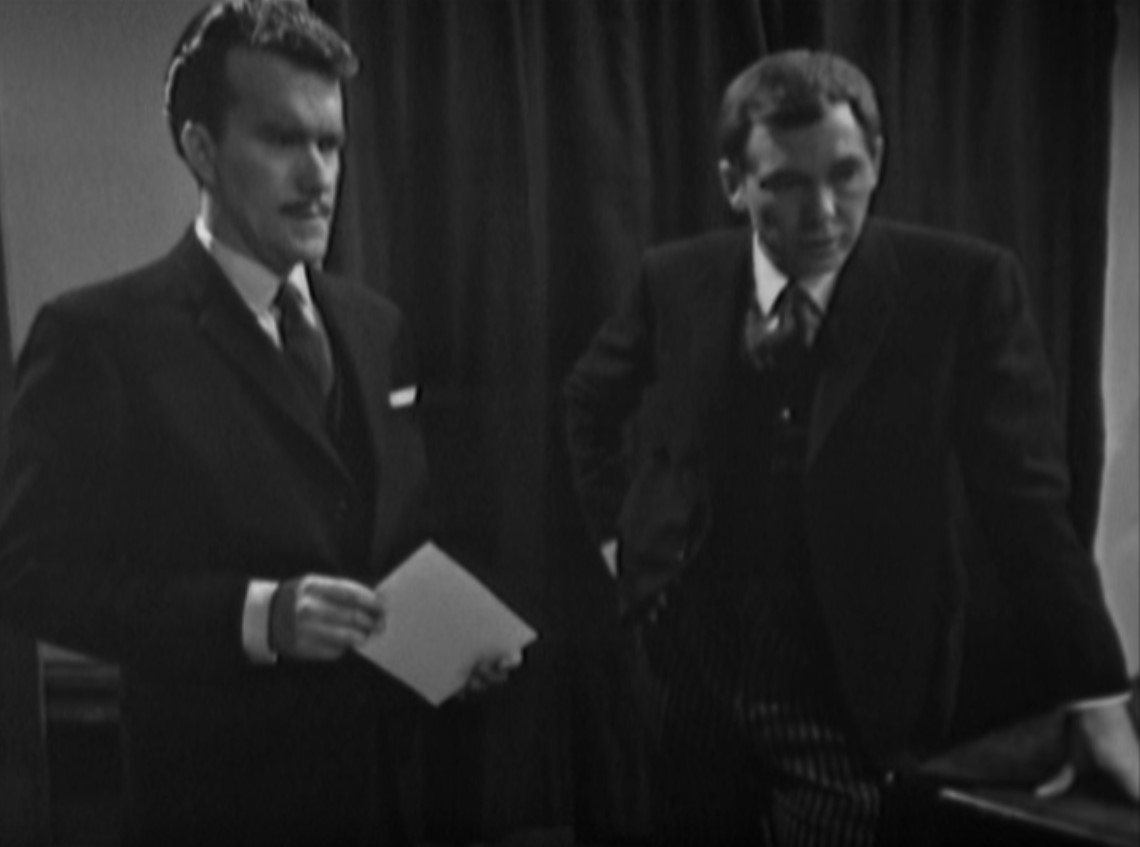
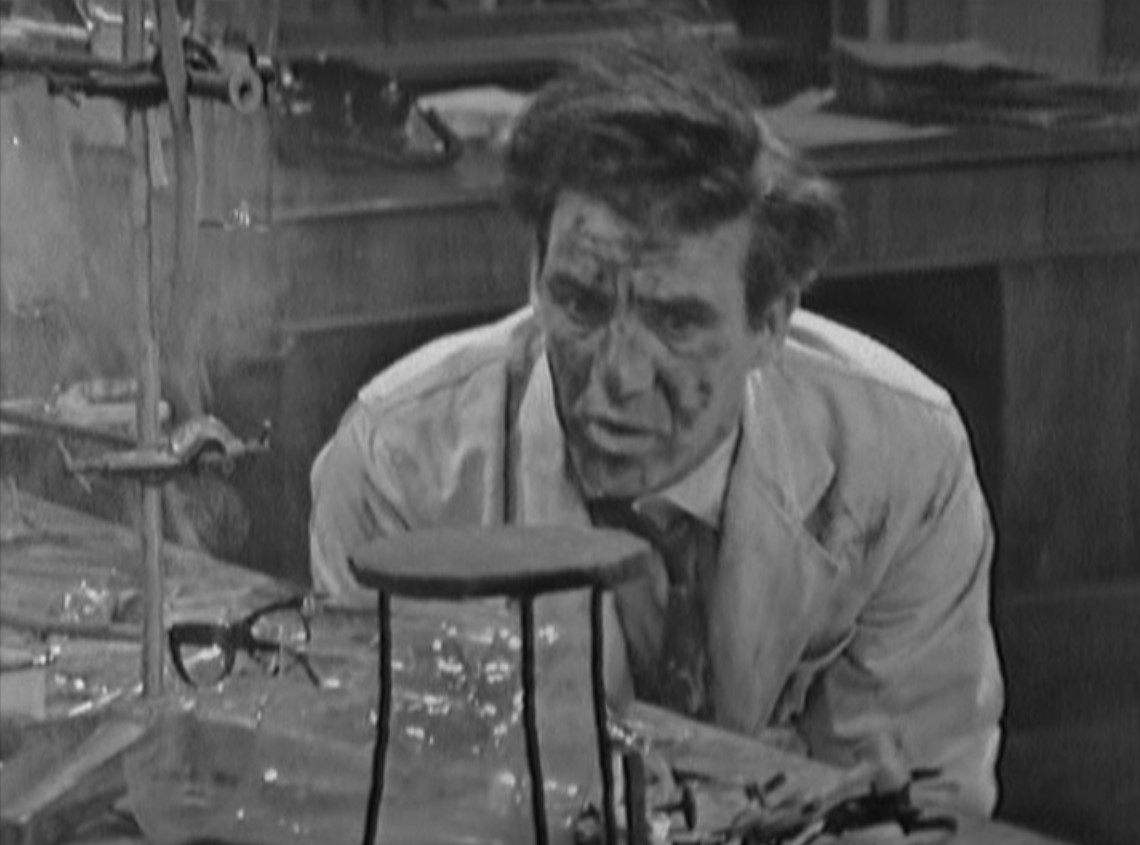
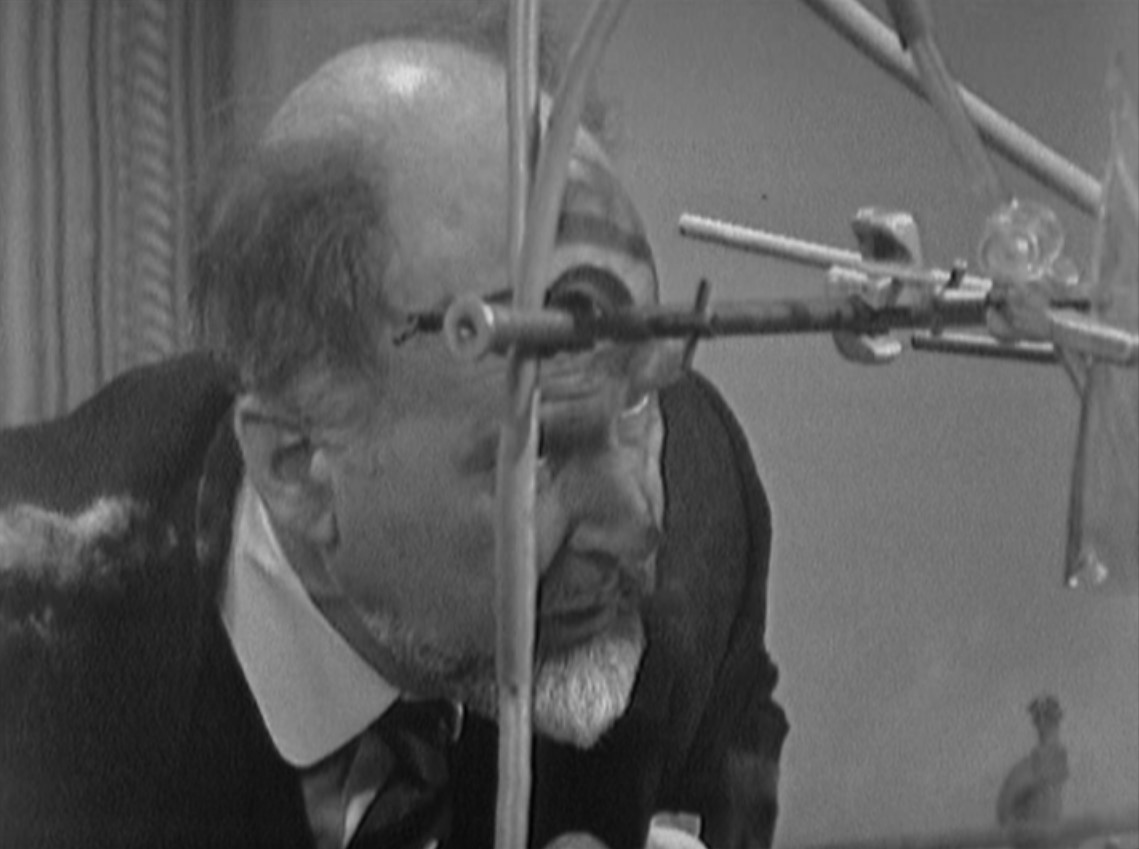
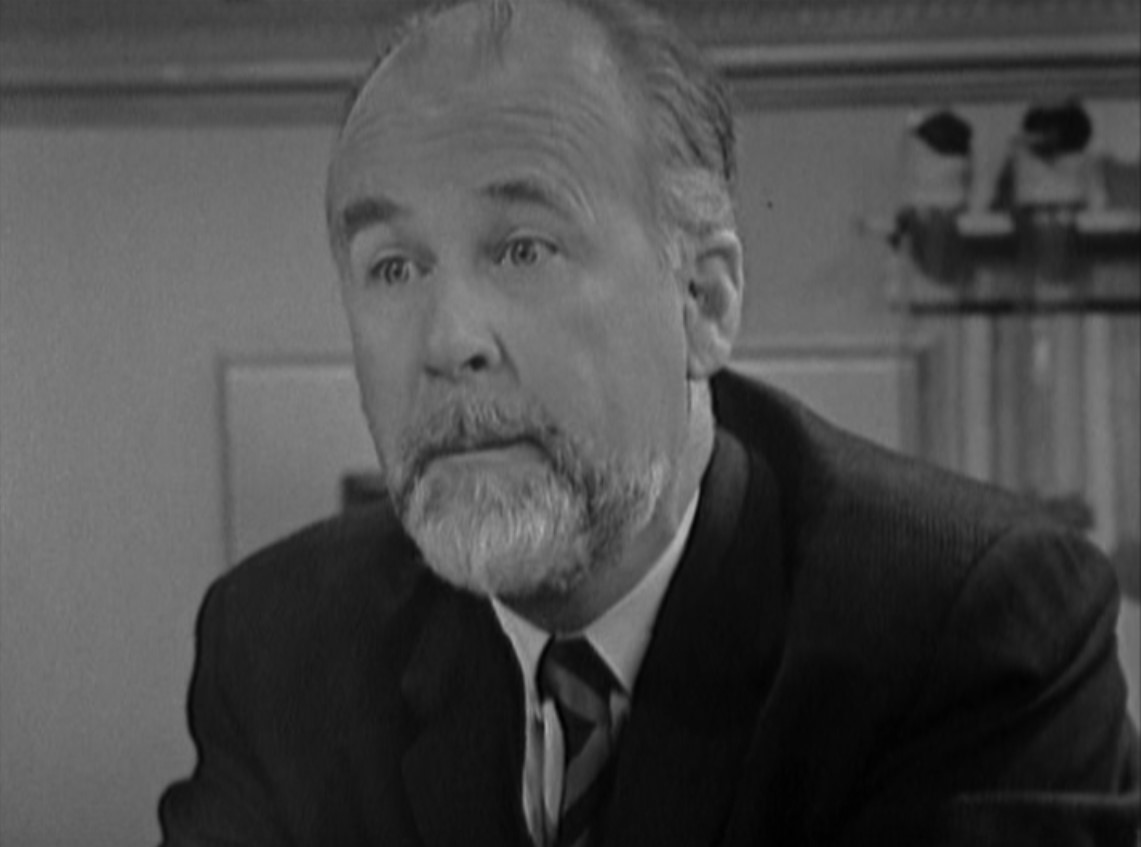
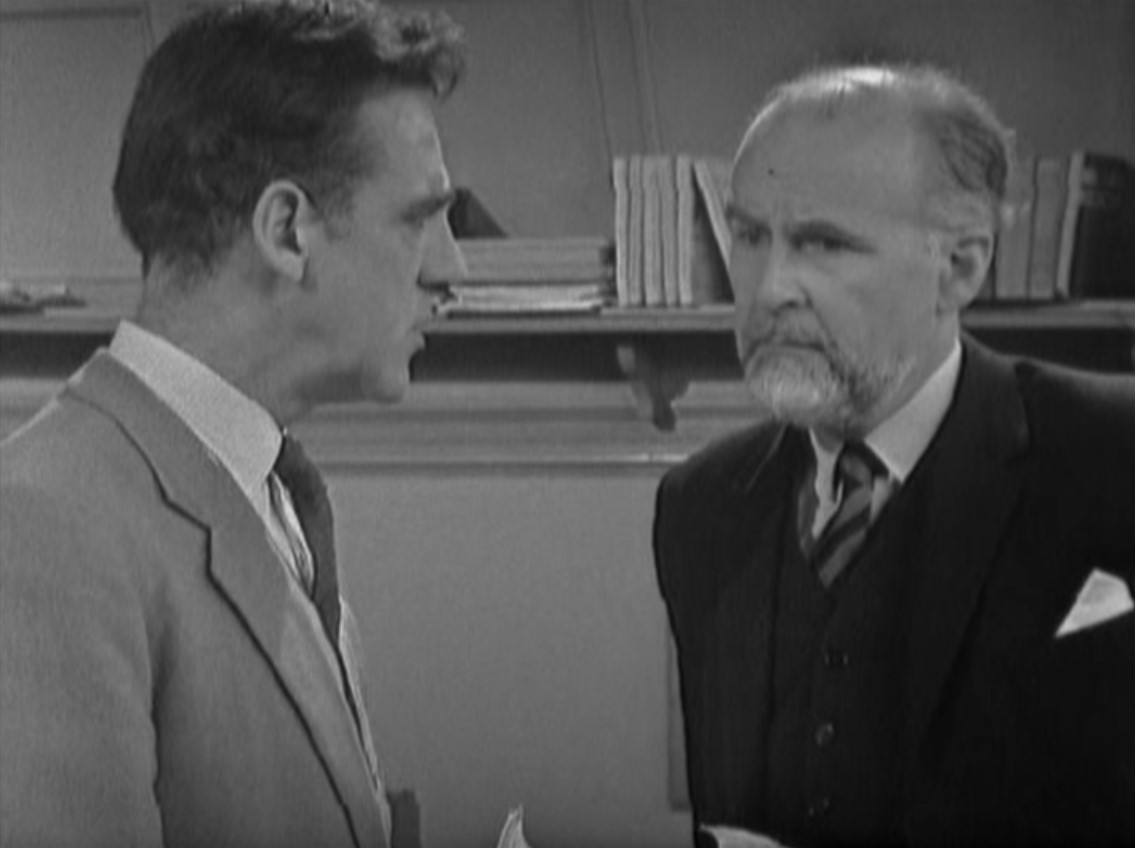
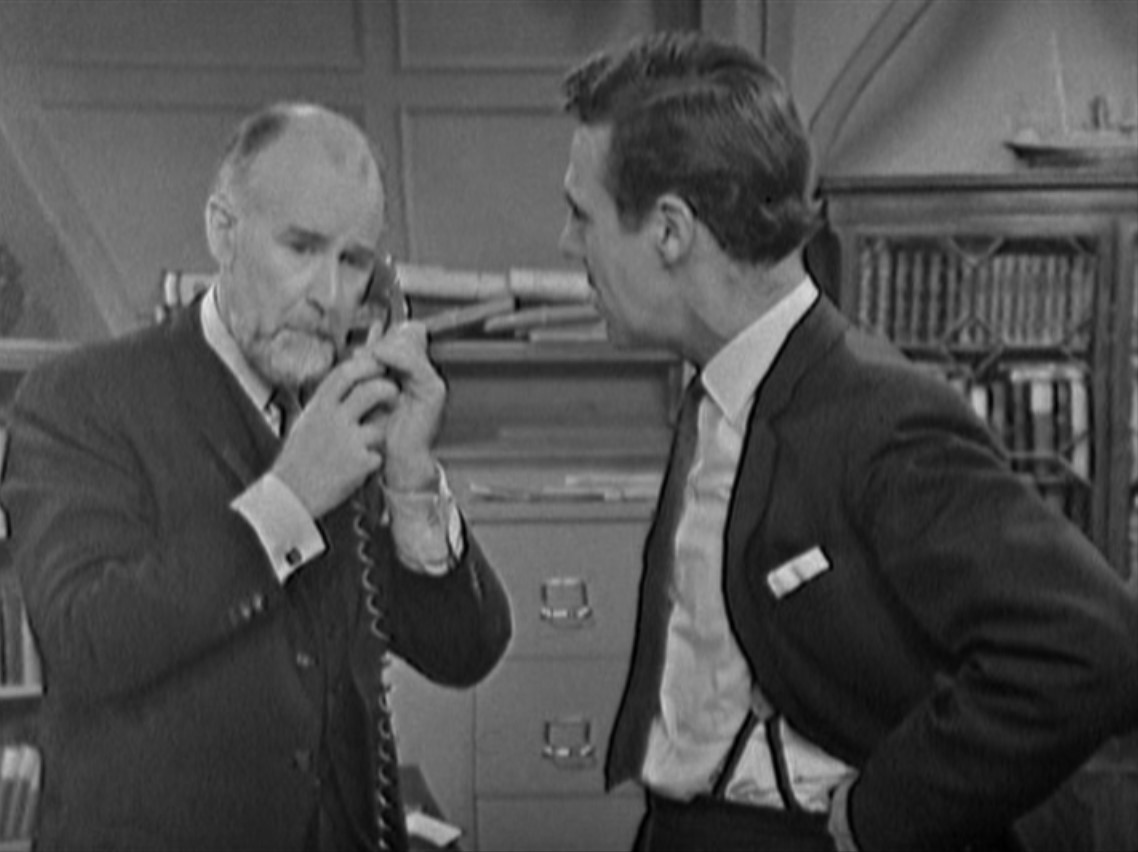
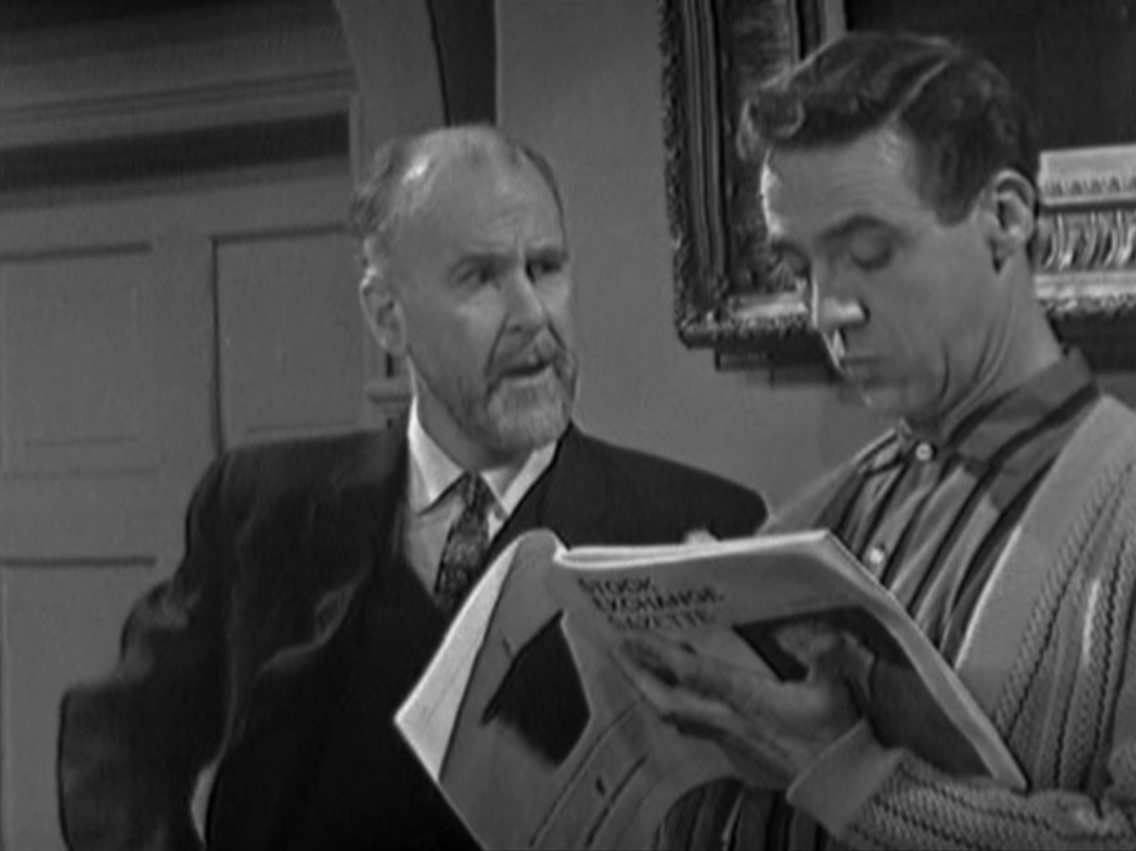
The Man in Room 17 (1965-1966) inverts the locked-room mystery in a clever way: it’s not the crime that occurs in the locked room, it’s the detection. It’s about two criminologists (why, one wonders, is the title of the series singular rather than plural?) whose skills are so rarefied and irreplaceable that they remain sequestered inside a chamber deep in the confines of the British government apparatus. On paper it sounds a bit like the American series Checkmate (1960-1962), which was created by a prominent British novelist, Eric Ambler, and had some vague pretensions toward emulating brainy literary whodunits. But Checkmate saddled its plummy British sleuth (Sebastian Cabot) with a pair of dullard underlings who spent most episodes getting conked on the head. The Man in Room 17 comes closer to fulfilling the rigor of its premise. Even when the crimes are routine, the dialogue is allusive and witty, and the intellectual vanity of the heroes is something no American series could conceive. Oldenshaw (Richard Vernon) and Dimmock (Michael Aldridge) – the first stuffy and acerbic, the other intense and arrogant – not only never get their hands dirty, they seem to revel in the cushiness of their surroundings. The two men evince no masculine vanity, no aspirations to physical courage. The only other regular character, portly, easily-flustered Sir Geoffrey (Willoughby Goddard), isn’t the bulldog one might expect, but an ineffectual liaison to the higher-ups in the government. He’s less of a boss than a glorified manservant.
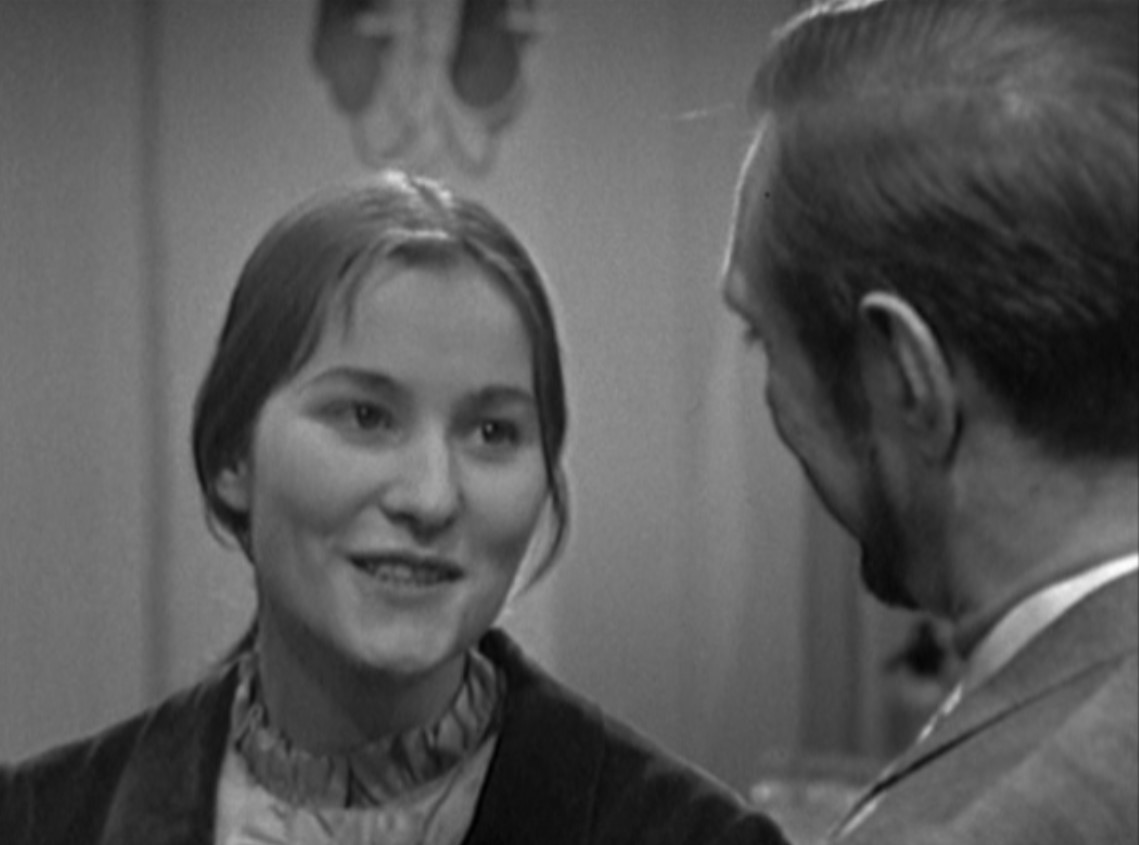
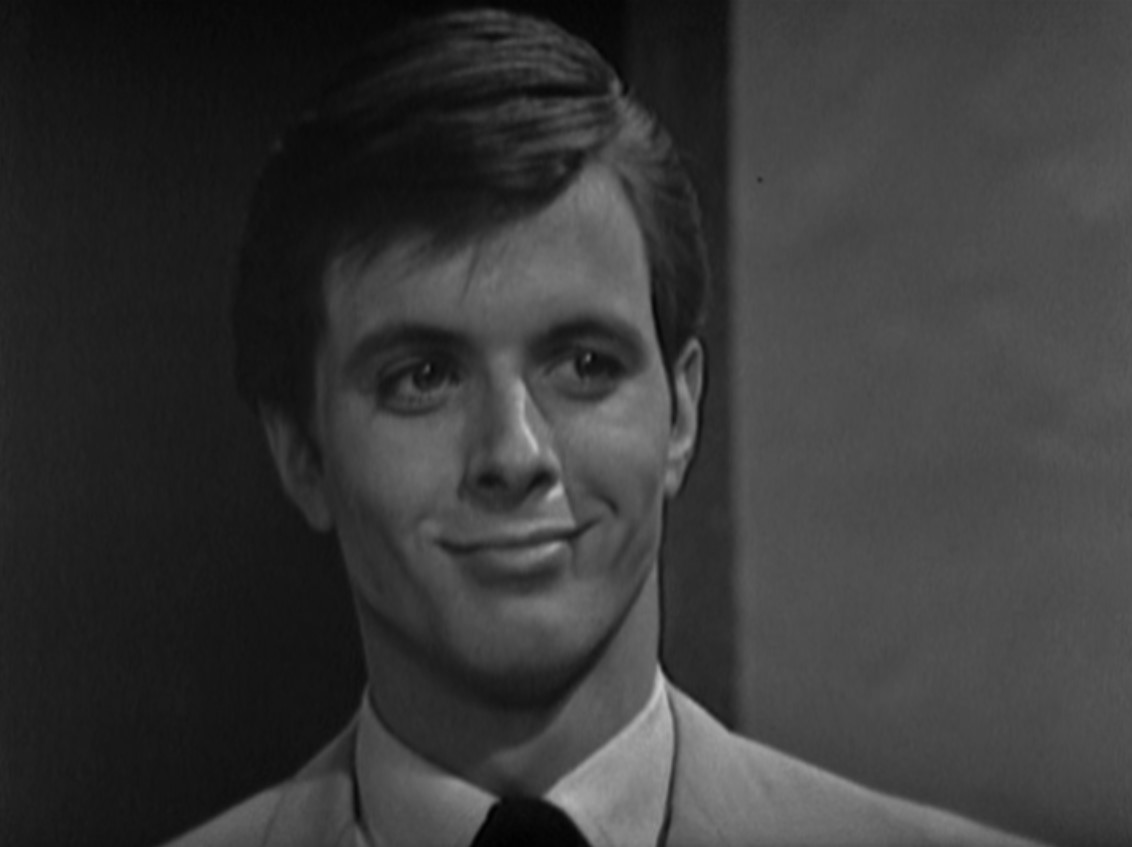
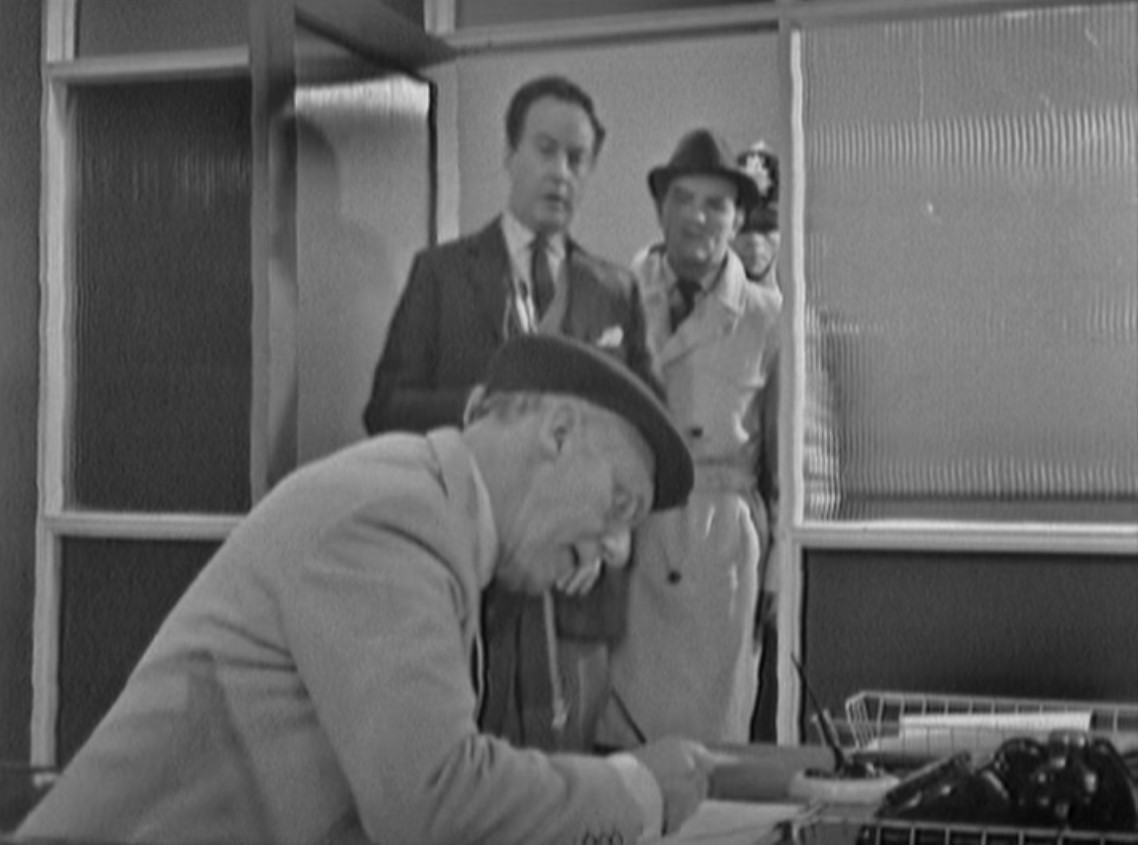
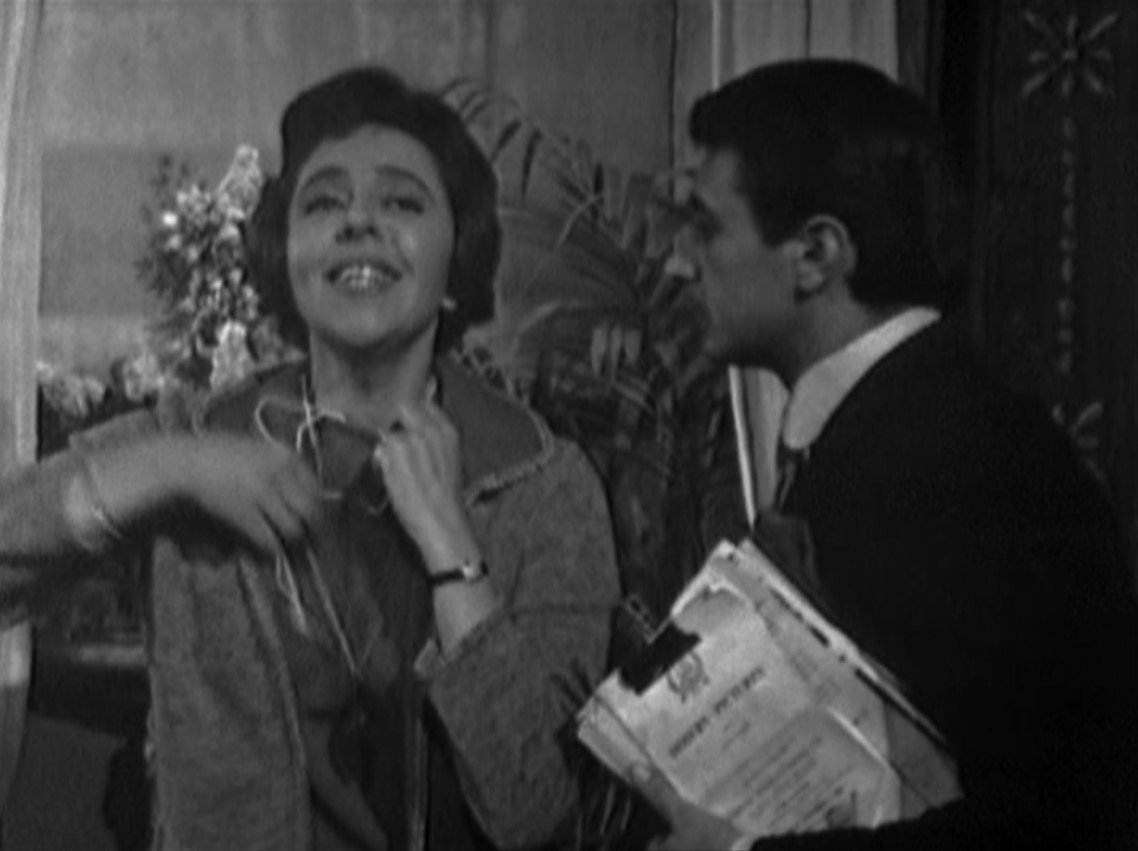
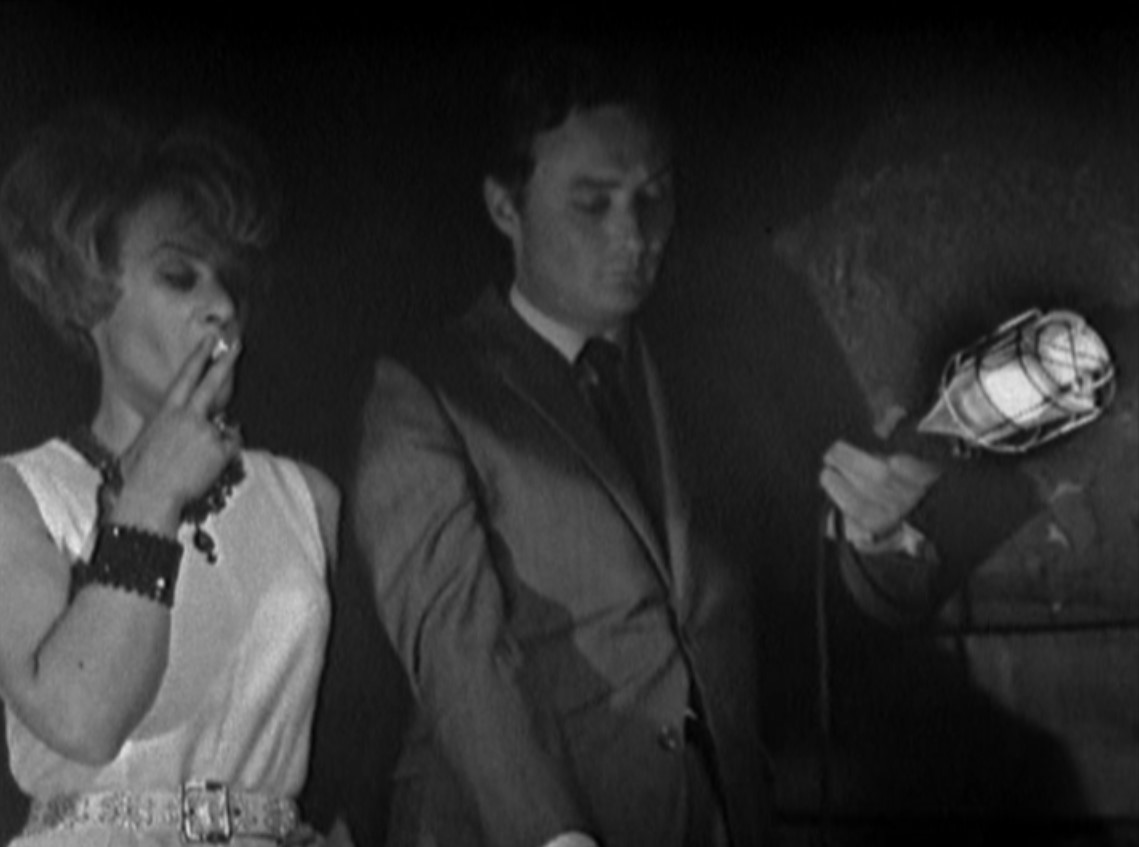
Sir Geoffrey somewhat reluctantly takes a case to the supersleuths in the opening scene of the first episode, which is cannily designed to emphasize the secrecy and exclusivity surrounding Room 17. After that, the series largely avoids showing any of the bureaucratic tissue connecting Oldenshaw and Dimmock to the legal system. The show’s creator, Robin Chapman, isn’t interested in the mythology around Room 17 (which would be an irresistable temptation if the show were remade today), but in the limits imposed by the claustrophobic premise. Like the corpulent Nero Wolfe, these puppetmasters can’t operate without tentacles in the outside world. The easy way out would have been to assign them a regular legman, but instead the Room 17 gents recruit a different proxy for each operation – often through blackmail, trickery, or some other dubiously ethical machination. In one episode, their operative is discovered and killed by the bad guy. Dimmock and Oldenshaw react with shock and anger but not remorse. The episode “The Bequest” finds the fellows at their most mischievous and sinister. An American is advised to buy a chemical formula known to be fraudulent, and Room 17 finds this hilarious. Later Oldenshaw has the option to rescue an imprisoned operative but declines. “We always disavow our agents,” he shrugs.
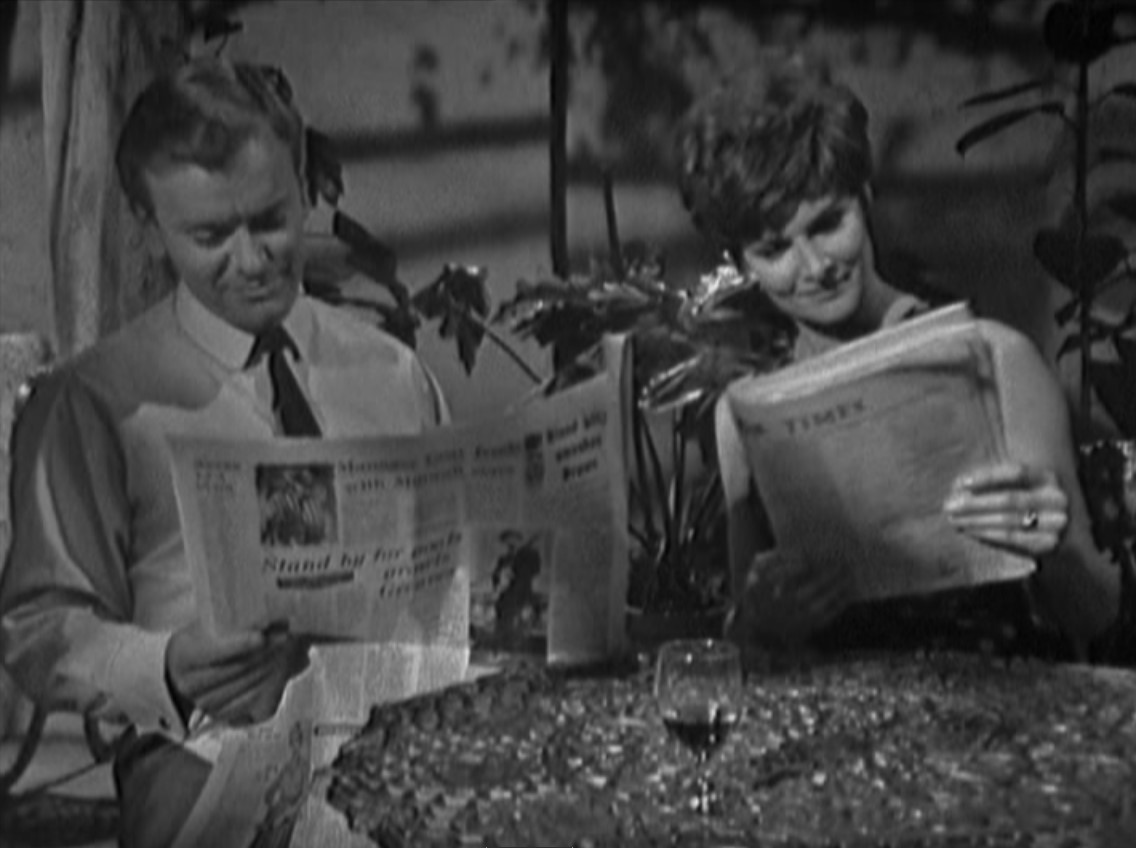
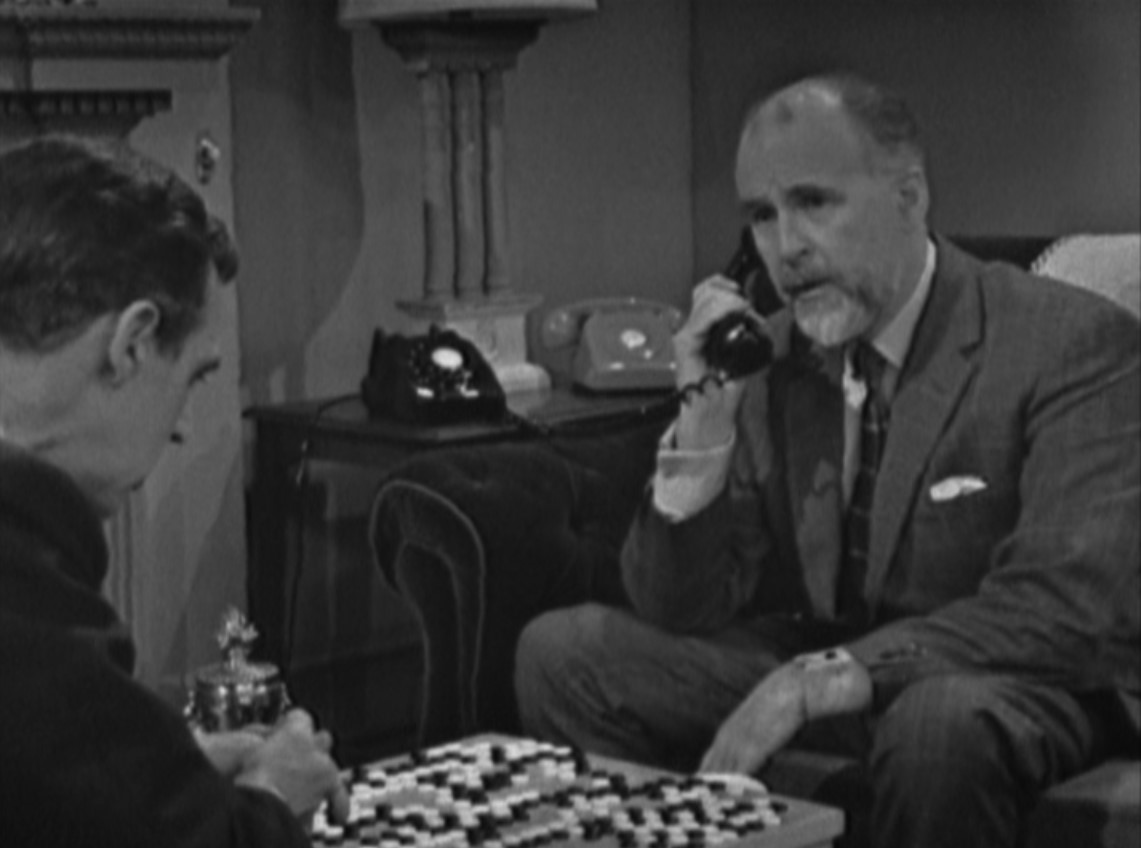
The idea of the top-secret crimefighter’s lair isn’t unique – think of the Batcave, or the kid-lit characters the Three Investigators, whose hideaway is a mobile home deep inside a junkyard, accessible only by secret passage. Room 17 is an irresistable hangout, by stuffy bow-tied genius standards. There are no windows and one foreboding metal door, but also some comfy leather couches and a "Go" board. (The fellows play regularly, and "Go" pieces inspired the opening title graphics. I guess the idea was that chess was child’s play for these brainiacs.) A pleasure of visiting Room 17 today is trying to puzzle out how its occupants acquired and analyzed data back in the analog era. Somehow, via daily newspaper deliveries and just a handful of file cabinets and reference books (the prop budget was sparse, apparently), all the world’s knowledge is at their fingertips.


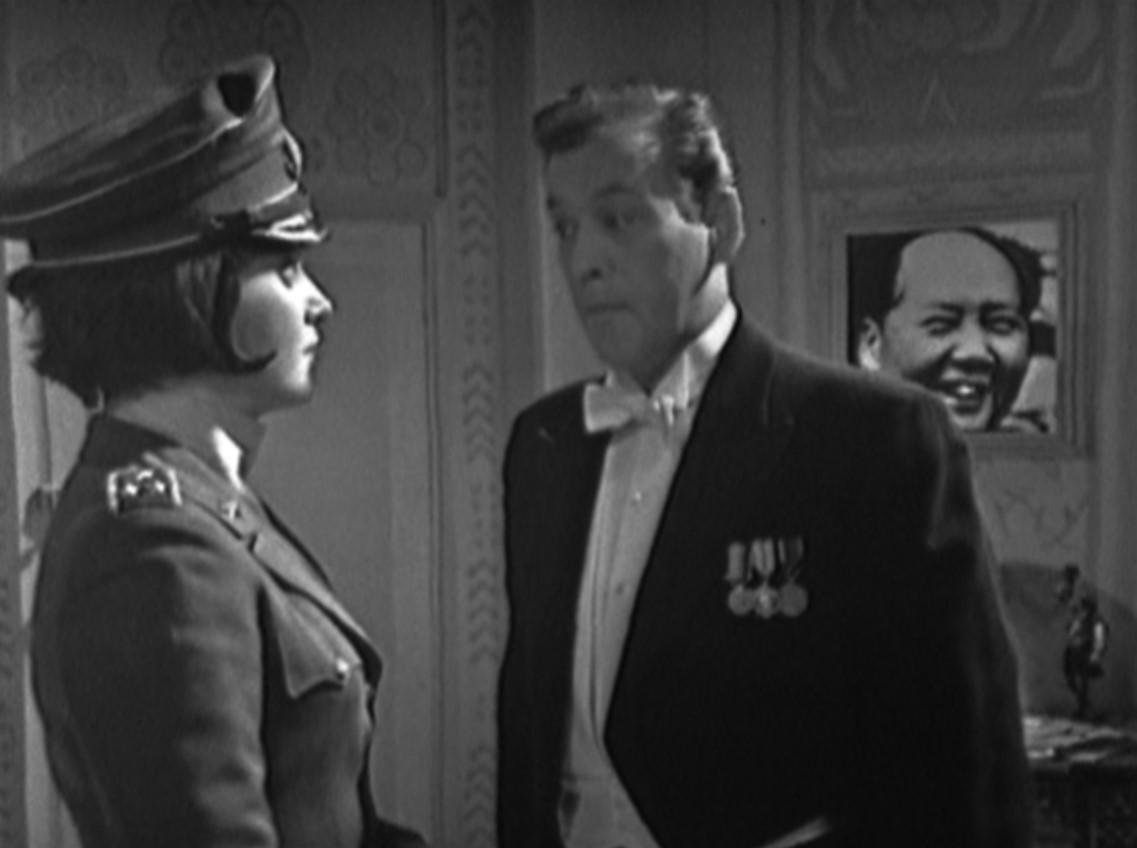
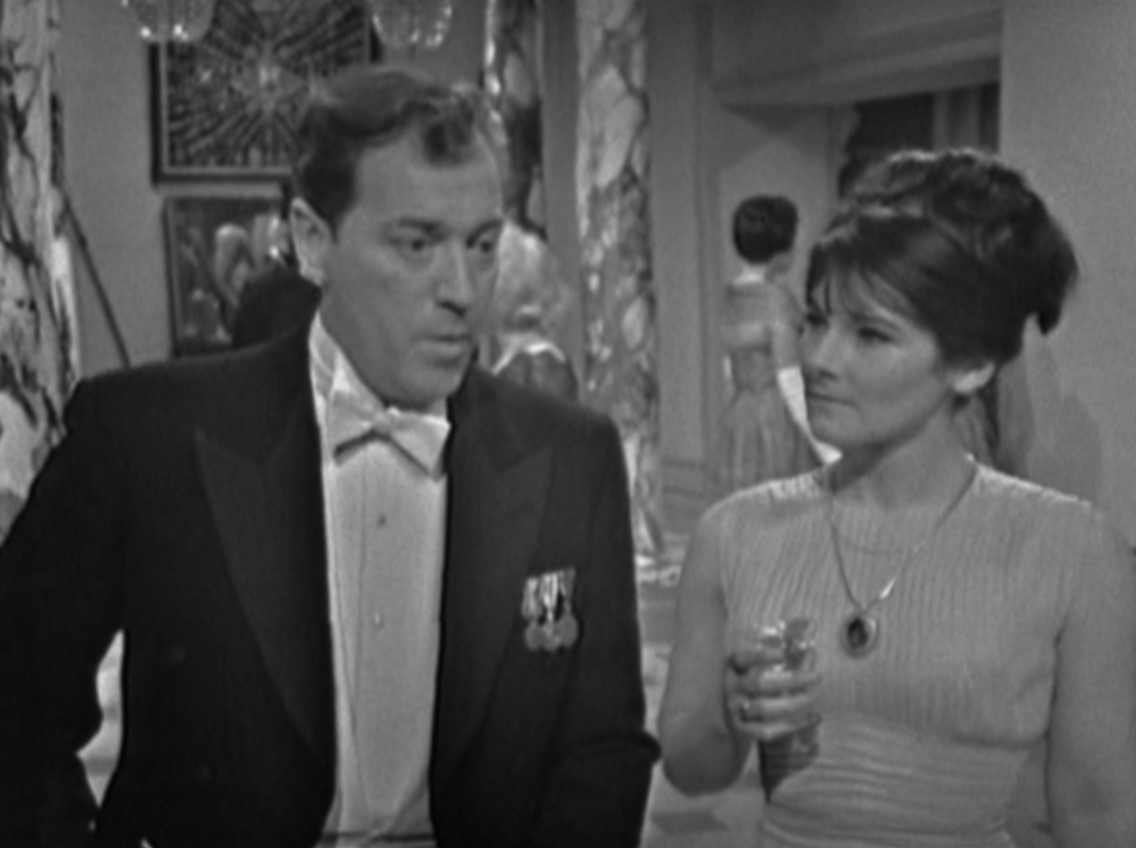
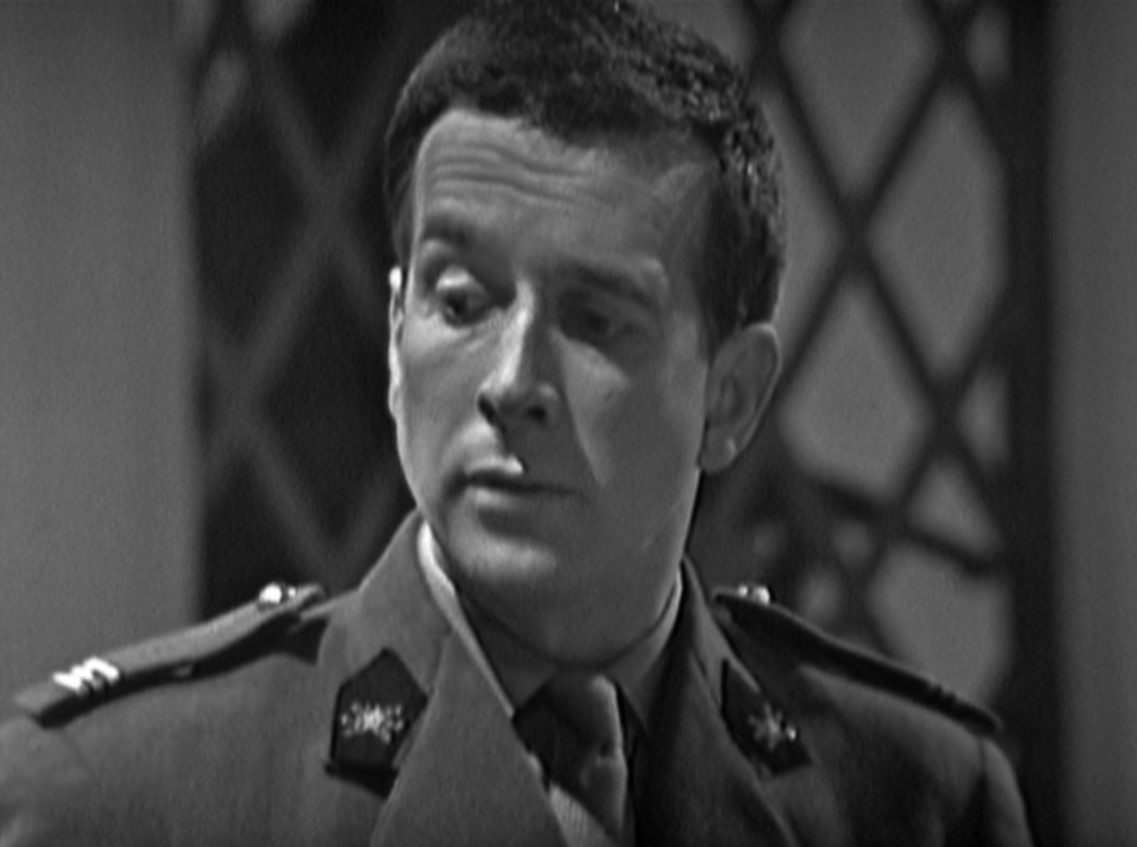
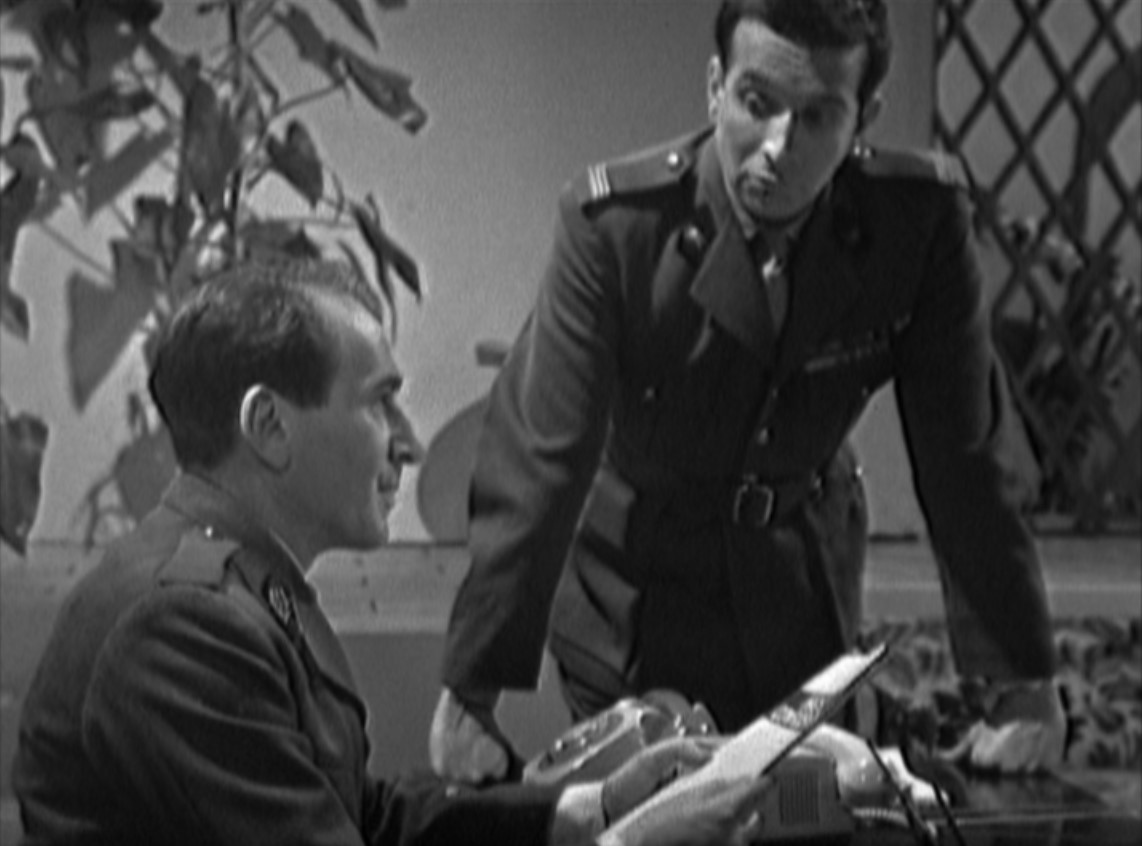
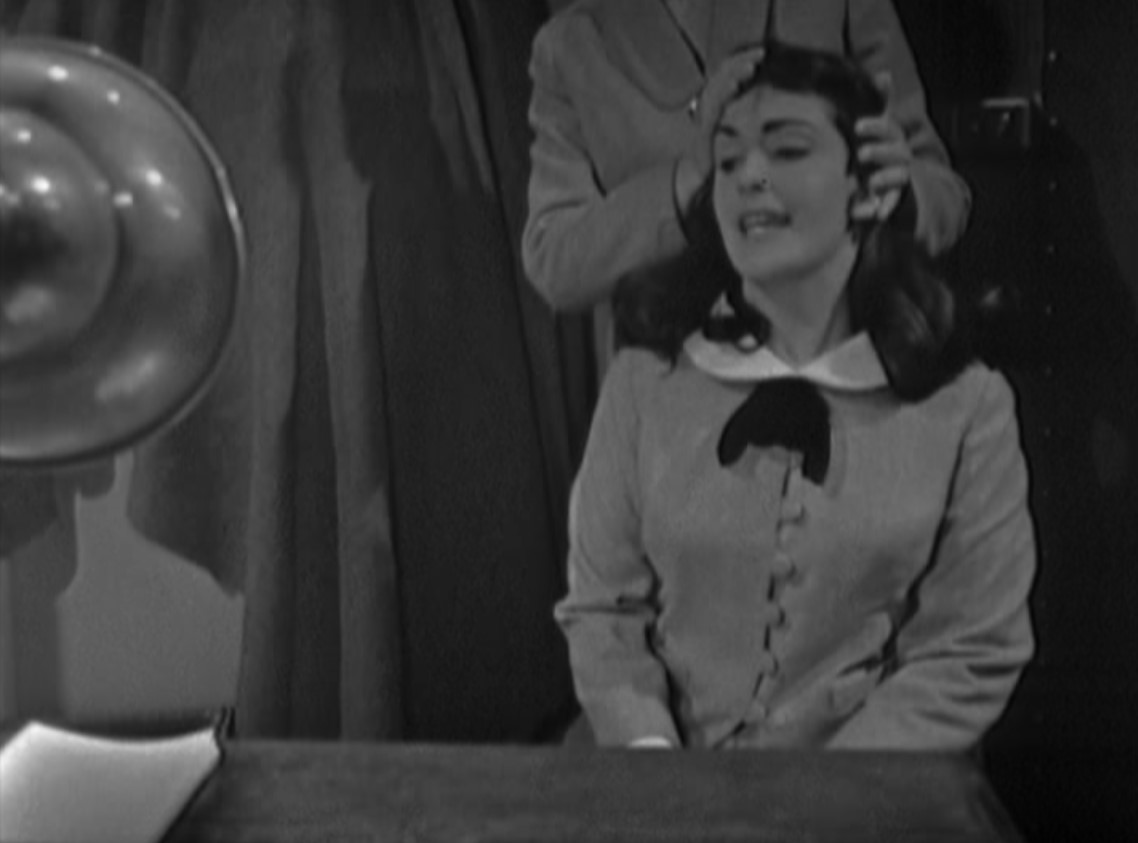
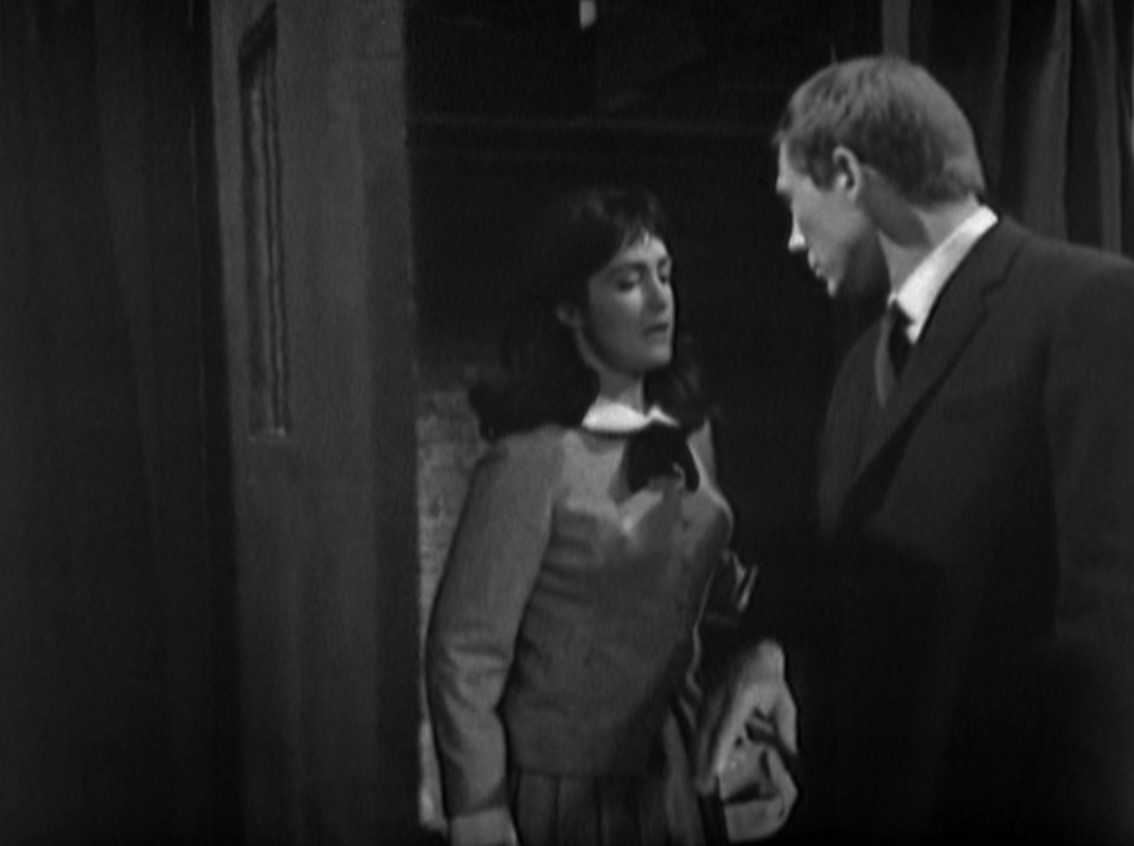
The bulk of The Man in Room 17’s cases involve espionage of one sort or another, which is probably a shame; it dates the show within a certain skein of Cold War paranoia, and attaches it as a sort of also-ran to the sixties spy craze. It offers an occasional frisson of the fanciful glamour of Bond, but lands closer to the grit of Le Carré. In the best of the first year’s segments, “Hello, Lazarus,” the men suspect that an industrialist has faked his own death in a plane crash, and set out to lure the fugitive into revealing himself. The script by Chapman and Gerald Wilson emphasizes the extent to which Room 17 operates without a mandate – Sir Geoffrey and his superiors do not share the men’s view that their quarry is still alive, and yet Oldenshaw and Dimmock brush that off and set to work anyway. The glee that Dimmock takes in manipulating the world bond market to solve a relatively inconsequential crime, and his not-terribly-sheepish concession that this represents a self-indulgent folly, are very funny. The writers permit the audience to consider that their protagonists may be ridiculous or even dangerous. Another standout 1965 entry, “The Seat of Power,” has a startling last-act twist, in which the men realize that the true target of an enemy’s up-to-that-point routine espionage operation is them: the whole scheme was designed as bait to flush them out of hiding, and it almost works. If the series were in color, you could see just how pale Dimmock and Oldenshaw turn when the caper suddenly acquires the life-or-death stakes that their isolation was designed to prevent. Though it is primarily procedural and apolitical, what is most intriguing about The Man in Room 17 is that Deep State subtext. It is, in the most literal way imaginable, about how the world is largely run by nondescript men in three-piece suits, invisible to most of us and subject to no one’s oversight.