
LMLDallas78
Telly Talk Enthusiast
I thought he called it Dysentery. Either one is favourable. Someone definitely referred to it as dysentry, I was sure it was Wogan.Die Nasty as Terry Wogan called it
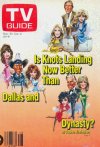
For some fans Knots beat them both

I thought he called it Dysentery. Either one is favourable. Someone definitely referred to it as dysentry, I was sure it was Wogan.Die Nasty as Terry Wogan called it


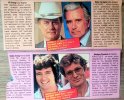
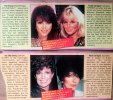


I think what's great about Sue Ellen is that you can't really compare her to either of them. She doesn't fit into any cookie cutter soap stereotype. She's not 'the bitch', although sometimes she can be, and neither is she 'the adoring wife' although at times she was.Comparing JR to Blake I can somewhat understand (even though I agree that he should be compared to Alexis), but Sue Ellen to Alexis??? Shouldn't they be comparing her to Krystle in this particular constellation?

Poor Krystal and Sue Ellen failed in having business sense. I can't comment on Krystal as I don't have enough knowledge about her.
I guess if this was done in the latter years Sue Ellen would have done a lot better though.
I think what's great about Sue Ellen is that you can't really compare her to either of them. She doesn't fit into any cookie cutter soap stereotype. She's not 'the bitch', although sometimes she can be, and neither is she 'the adoring wife' although at times she was.
Dynasty copied Dallas, although it was a very good copy.

I always thought it looked desperate then just too much and that the original cast were not enough on their own.Dynasty seemed to utilize major high profile guest stars more


He called it both
Correct me if I'm wrong, but was it not Linda Gray that first said it? (on his show)Dear Terry, he was the one who coined the phrase - the poisoned dwarf, in relation to Lucy on Dallas!
I'm sure she wasn't, I've got Linda's interviews on cassette tape. Certain it was Terry himself, he had nick names for most of the characters.Correct me if I'm wrong, but was it not Linda Gray that first said it? (on his show)
I always thought it looked desperate then just too much and that the original cast were not enough on their own.
I guess it worked though as new characters need to be introduced and it soon became a who's who in Dynasty.
Dallas didn't seem to need high profile guest stars especially in the early days. Was that because their ensemble cast was unbeatable?
When other high profile stars were introduced like Priscilla Presley we expected so much, but got so little.

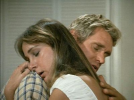
Yes they did.Dynasty never had a Ray Krebbs type character, a former everyman who became wealthy.


Maybe because Southfork didn't have enough rooms to accomodate them?Dallas didn't seem to need high profile guest stars especially in the early days. Was that because their ensemble cast was unbeatable?
At that time she wasn't a star but a celebrity, and in that regard DALLAS out-guilty-pleasured DYNASTY.When other high profile stars were introduced like Priscilla Presley we expected so much, but got so little.
Yes they did.
View attachment 49921
Maybe because Southfork didn't have enough rooms to accomodate them?
But make no mistake, the Ewings didn't shy away from shameless celebrity name-dropping, as we saw it in the GUZZLER episode.
Funnily enough it did matter on THE COLBYS that Fallon was a Carrington.Once DYNASTY became a mess, and it did quickly, it didn't seem to matter one way or another.