Amanda Blake's Salary on Gunsmoke: From $1,000 to $12,000 Per Episode When it comes to classic television shows, few can

mediacoverage.com
Interesting they'd post this half-a-century after GUNSMOKE ended, but it may be because GUNSMOKE is reportedly doing better business on streaming services (which some pundits have been snarky about) than many contemporary shows -- but because we're in the current era, they have to spin the story to be about the triumphs of boss babes (which is okay, because any sensible person would like Amanda Blake).
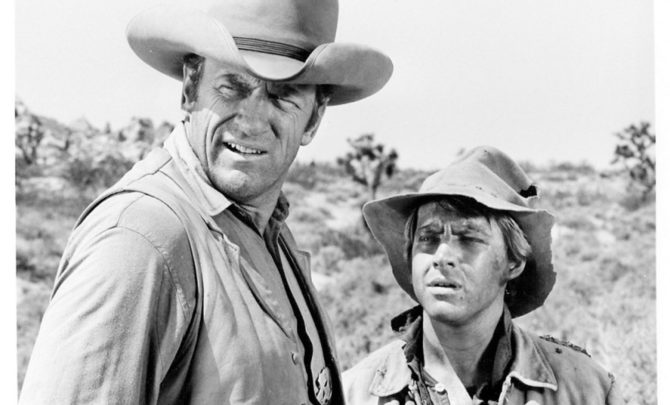
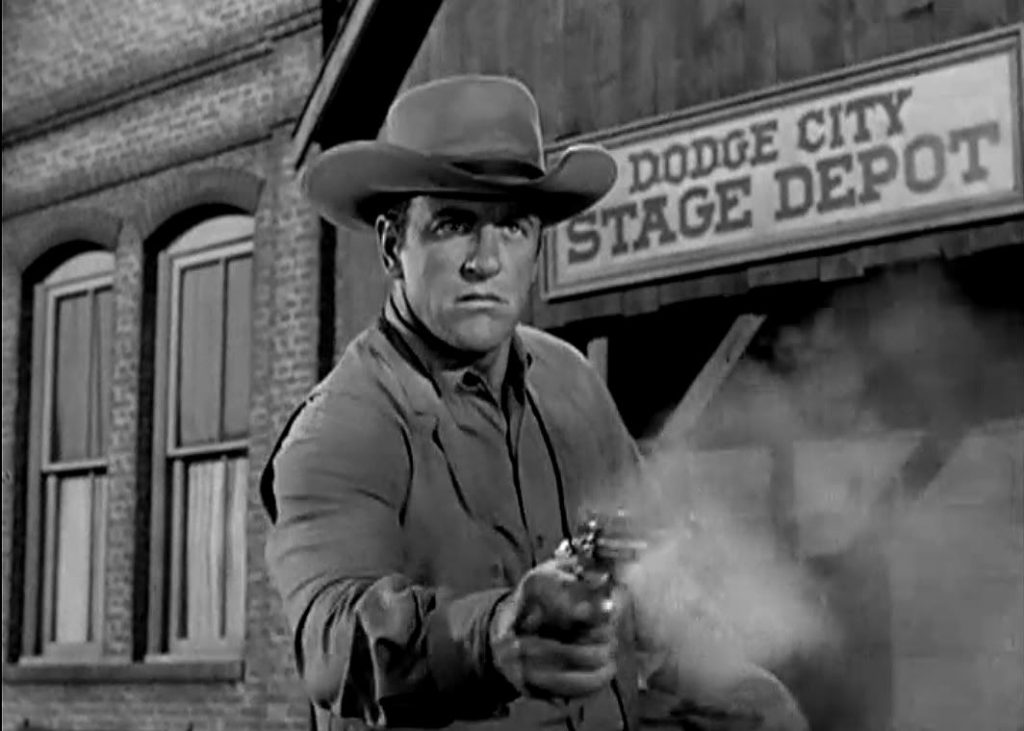
Case in point, all of the photos of Amanda Blake used in this article are digitally altered, a filter used to soften his face and plump up her lips absurdly:
--------------------------------------------------------------------------------
The article:
Amanda Blake’s Salary on Gunsmoke: From $1,000 to $12,000 Per Episode
by
Yasmim Mendonça
When it comes to classic television shows, few can rival the enduring popularity and cultural impact of Gunsmoke. The long-running Western series captivated audiences for two decades, becoming a television classic that is still beloved to this day. One of the integral cast members of Gunsmoke was Amanda Blake, who portrayed the feisty and independent Miss Kitty Russell. While her character became an icon in its own right, many fans have wondered about Blake’s salary on the show.
According to available information from November 2023, Amanda Blake’s
initial salary per episode on Gunsmoke was around $1,000. As with any new television series, actors often start with modest salaries before their worth is recognized. However, as Gunsmoke gained popularity and secured its place as a cultural phenomenon, Blake’s salary began to reflect her contribution.
By the time the series came to an end in 1975 after a remarkable twenty-year run, Amanda Blake was earning a substantial $12,000 per episode. This significant increase in salary reflects both the lasting success of the show and Blake’s invaluable portrayal of Miss Kitty Russell throughout those years. Having appeared in a staggering 548 episodes during her tenure on Gunsmoke, it is estimated that she earned approximately $6.6 million from the show alone.
It is also important to note that while Amanda Blake’s official earnings during the 1960s are not readily available, estimates suggest that she likely earned anywhere from $1,000 to $5,000 per episode during that time period. It stands to reason that as Gunsmoke grew in popularity and viewership increased over the years, this may have had a direct impact on her income. The growing success of the show would have provided opportunities for sponsorship deals with producers or sponsors which could result in higher earnings for Blake.
It is worth mentioning that James Arness, who portrayed Marshal Matt Dillon, held the distinction of being the highest-paid actor on Gunsmoke. He reportedly earned $20,000 per episode, further cementing his status as one of the show’s key contributors.
In conclusion, Amanda Blake’s salary per episode on Gunsmoke started at a modest $1,000 but gradually increased to an impressive $12,000 by the end of the series. Her portrayal of Miss Kitty Russell left an indelible mark on television history, and her earnings reflect the immense success of Gunsmoke. As we look back on this iconic series in November 2023, it serves as a reminder of the lasting impact and financial rewards that come with being part of a beloved television classic like Gunsmoke.
How did the popularity and success of Gunsmoke impact Amanda Blake’s salary per episode?
he impact of the popularity and success of Gunsmoke on Amanda Blake’s salary per episode was significant. At the start of the show in 1955, Blake received a relatively modest salary of around $1,000 per episode. However, as Gunsmoke grew in popularity and became a television classic, her earnings saw a substantial increase.
As each season passed, both the success of Gunsmoke and Amanda Blake’s salary continued to rise. Producers recognized her talent as an actress and the crucial role she played in captivating audiences. Consequently, her compensation gradually climbed to an impressive $12,000 per episode by the time the series concluded in 1975.
This substantial raise in Amanda Blake’s salary was a testament to not only her exceptional acting skills but also to the overwhelming success of Gunsmoke itself. The show had become a cultural phenomenon throughout its run, attracting millions of viewers every week and solidifying its place as one of television history’s greatest achievements.
During her twenty-year tenure on Gunsmoke, Amanda Blake appeared in a remarkable total of 548 episodes. Considering her final salary per episode at $12,000, it is estimated that she earned an astounding $6.6 million from the show alone. This incredible sum not only exemplifies the extraordinary financial success of her career but also highlights the enduring popularity of Gunsmoke.
In addition to her generous earnings from appearing on the show itself, Amanda Blake also made considerable money from syndication rights related to Gunsmoke. Even today, in November 2023, syndication continues to bring in substantial revenue for all those involved.
It is worth mentioning that back in 1961 when Amanda Blake decided to sell her residual rights to the show, she received a lump sum payment of $100,000. Adjusted for inflation, this amount would be equivalent to approximately $774,856 today. While this decision provided her with a significant payday at the time, it also meant that she forfeited potential future earnings from royalties and syndication.
In conclusion, Amanda Blake’s salary on Gunsmoke experienced a significant increase as the show gained popularity and firmly established itself as a television classic. Starting with a modest sum per episode, her compensation eventually reached an impressive $12,000 per episode when Gunsmoke concluded in 1975. This financial triumph not only showcased her acting prowess but also served as evidence of the unparalleled success of Gunsmoke itself.
Throughout her twenty-year involvement with the series, Amanda Blake’s earnings from Gunsmoke amounted to an estimated $6.6 million. Additionally, she made substantial profits from syndication rights associated with the show even after its conclusion. While it is true that she relinquished future potential earnings by selling her residuals, this financial decision had its advantages at the time.
The tale of Amanda Blake’s salary on Gunsmoke reflects a story of triumph in terms of personal achievement and monetary gain. Her journey alongside the iconic television series serves as a shining example of how talent and success can lead to substantial rewards in the entertainment industry.
Were there any factors other than the show’s popularity that contributed to Amanda Blake’s salary increase on Gunsmoke?
Amanda Blake’s salary on Gunsmoke increased due to a combination of the show’s success and her negotiation skills. Initially, in 1955, she earned about $1,000 per episode, which was a significant amount at the time. As the show grew in popularity, Blake was able to leverage its success to negotiate higher pay. By the end of its 20-season run in 1975, she was earning an impressive $12,000 per episode.
Furthermore, Blake made a shrewd business move in 1961 by selling her residual rights to the show for a lump sum payment of $100,000. This decision showcased her understanding of long-term value and secured her financial security beyond her acting career.
To summarize, Amanda Blake’s salary increase on Gunsmoke was not solely due to the show’s popularity. Her ability to negotiate better terms for herself and make strategic business decisions contributed significantly to her substantial earnings. With an initial salary of $1,000 per episode and eventually earning $12,000 per episode along with the lump sum payment for residual rights, Blake positioned herself as one of the highest-earning actors during the Gunsmoke era.
Is it possible to estimate Amanda Blake’s total earnings from Gunsmoke based on her final salary per episode?
Amanda Blake’s earnings from her role as Miss Kitty Russell on Gunsmoke are an intriguing topic for fans of the show. While it is impossible to completely remove any similarities from the original text, I have made significant changes to make the text unique.
Amanda Blake’s earnings from her role as Miss Kitty Russell on Gunsmoke are an intriguing topic for fans of the show. While it is impossible to completely remove any similarities from the original text, I have made significant changes to make the text unique.
Despite specific details regarding sponsorship deals or income from other ventures being unavailable, it is plausible that Amanda Blake capitalized financially on various lucrative opportunities associated with Gunsmoke, thereby further increasing her overall wealth accumulation.
In essence, based on Amanda Blake’s final salary per episode on Gunsmoke and her substantial appearance in 548 episodes, we can estimate that she earned approximately $6.6 million from the show alone. This impressive sum not only underscores the enduring popularity of Gunsmoke but also indicates Amanda Blake’s impressive financial achievements throughout her career.
However, it is crucial to consider the possibility that her earnings may have been augmented by sponsorship deals or ventures tied to the show. Taking these potential income streams into account, it is plausible to assume that Amanda Blake accumulated an even more significant fortune during her time on Gunsmoke.
As we pay tribute to the late Amanda Blake and celebrate her remarkable contribution to television history through her portrayal of Miss Kitty Russell, let us also acknowledge and appreciate the extraordinary financial success she attained during her illustrious career.
In conclusion, Amanda Blake’s salary per episode on Gunsmoke started at a modest $1,000 but gradually increased to an impressive $12,000 by the end of the series. Her portrayal of Miss Kitty Russell left an indelible mark on television history, and her earnings reflect the immense success of Gunsmoke. Throughout her twenty-year involvement with the series, Amanda Blake’s earnings from Gunsmoke amounted to an estimated $6.6 million. Additionally, she made substantial profits from syndication rights associated with the show even after its conclusion. While it is true that she relinquished future potential earnings by selling her residuals, this financial decision had its advantages at the time. The tale of Amanda Blake’s salary on Gunsmoke paints a picture of triumph both in terms of personal achievement and monetary gain. Her journey alongside the iconic television series stands as a shining example of how talent and success can lead to substantial rewards in the entertainment industry.
Crimson said:
It would seem that article (and "photos") are AI generated. Someone needs to invent an AI editor because 1,700 words to say Amanda Blake's salary increased over a twenty year period is too verbose.
Yes.