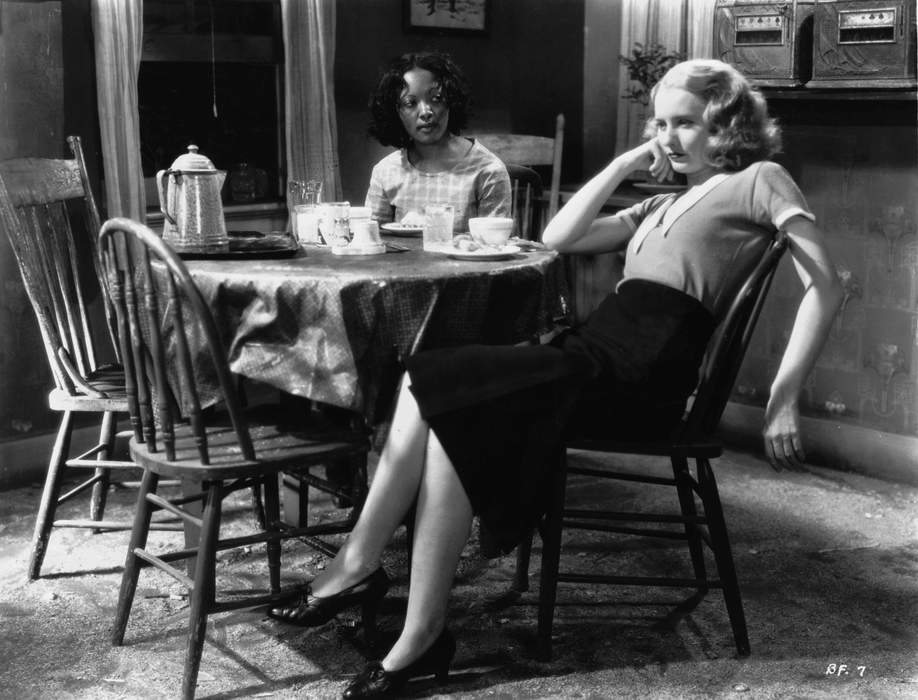
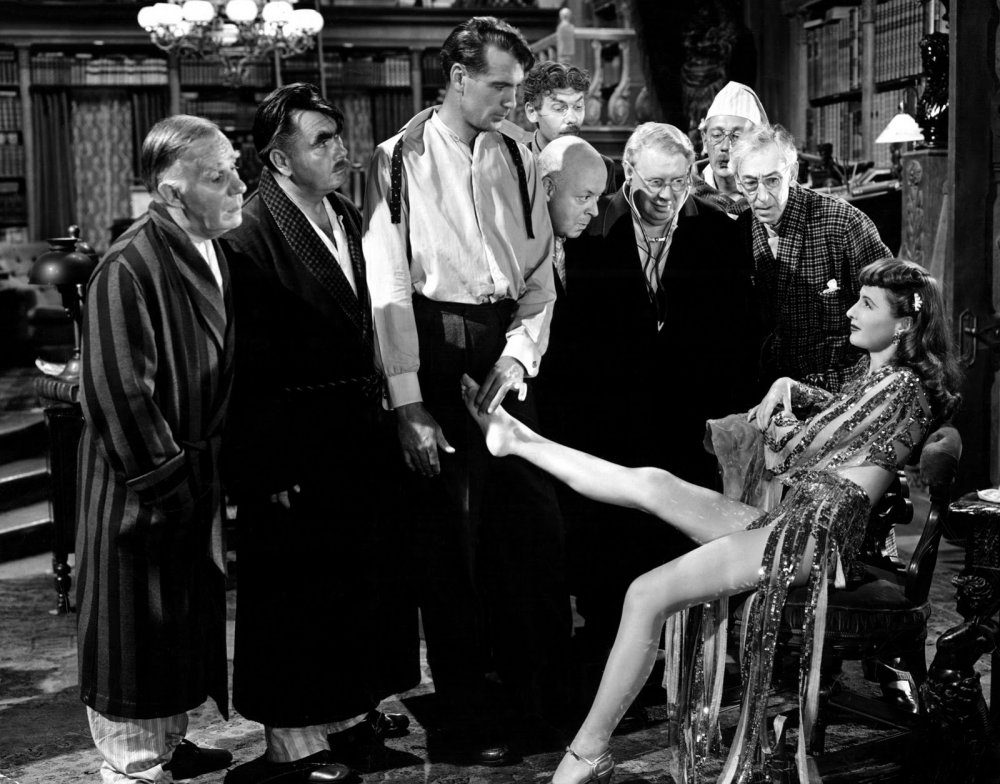
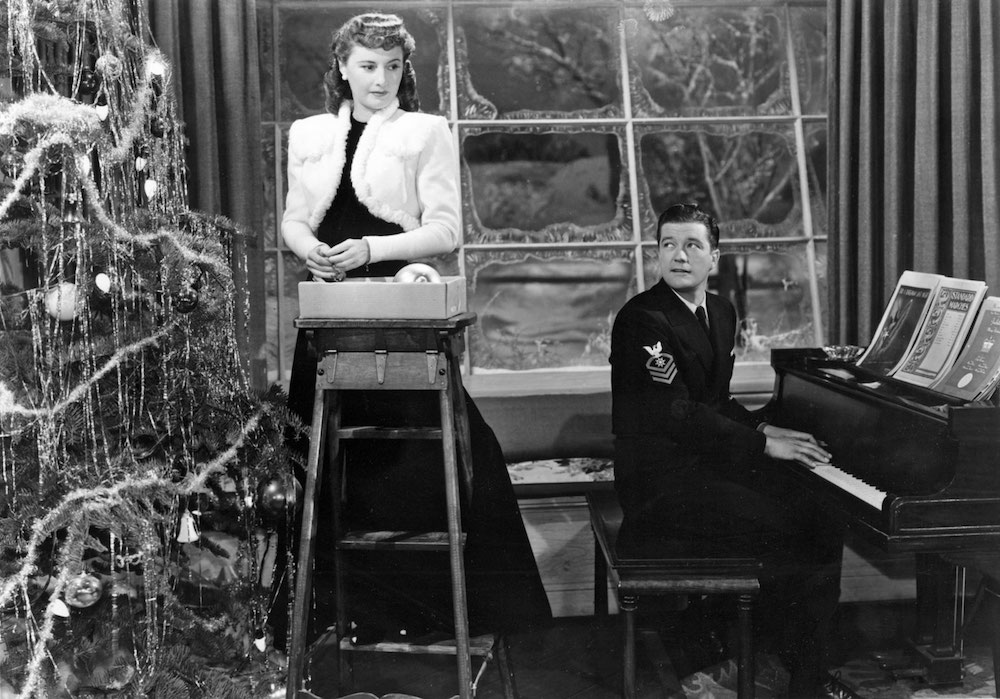
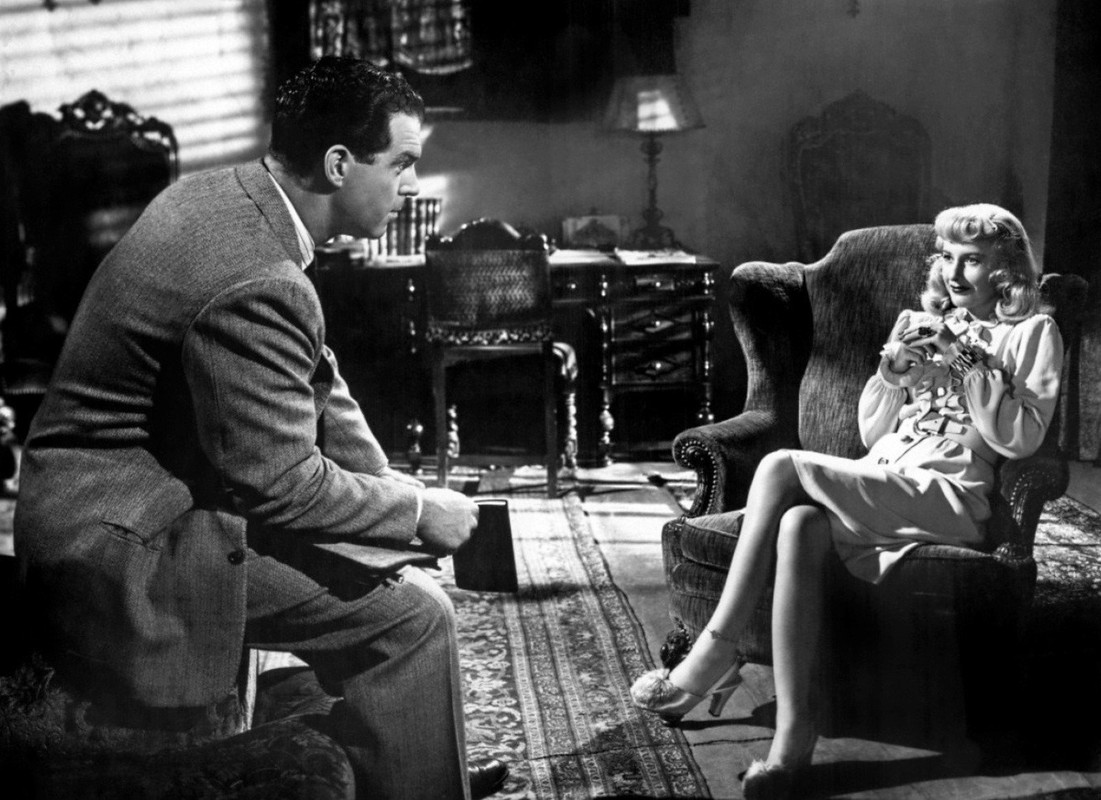
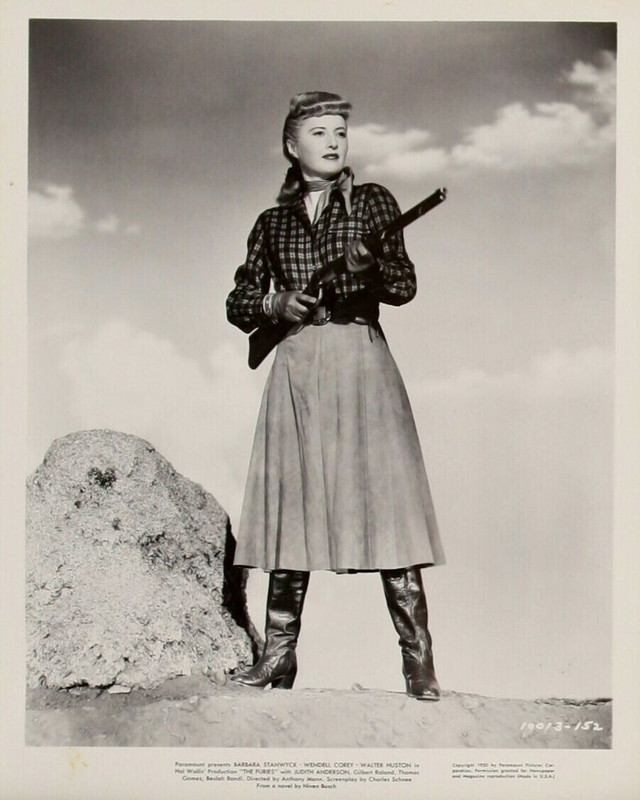
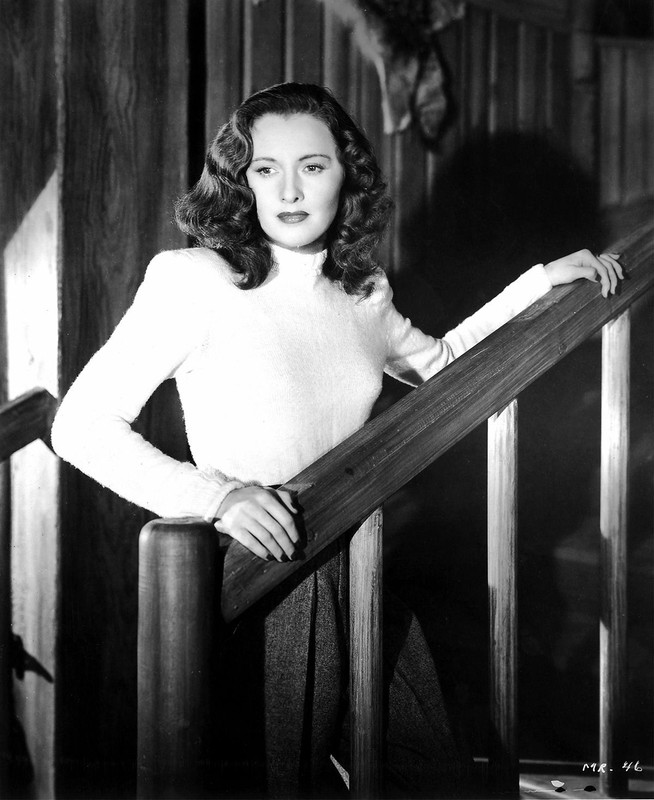
I've been watching a little about Barbara Stanwyck this past week. I've re-watched the "Straight Down the Line" documentary two separate times, and it's caused me to reevaluate the woman as a whole. For me to be as dismissive of Stanwyck for so many years, I honestly cannot believe just how my opinion of her has shifted the past six months or so.
Here are some things I've deduced the past few months:
I really like how Stanwyck was supportive of younger actors. More so than Davis or Crawford, or perhaps even Hepburn and her other peers, Stanwyck was quite well-known for helping out younger actors when she worked with them. Perhaps the most famous example of this is her support of actor William Holden, whom she starred with in the 1939 film GOLDEN BOY. Stanwyck was very supportive of the nervous young actor (who was apparently petrified working with Stanwyck), and even went to bat for him with the producers who wanted to replace him when they felt her was convincing in the role a few weeks into production. Stanwyck stuck her neck on the line and encouraged everyone to give Holden a chance, and the film ultimately made Holden a bankable commodity. Stanwyck was also supportive of a young rising Marilyn Monroe when the two worked together on CLASH BY NIGHT in 1952, complimenting her performance and encouraging her to do her best. Barbara apparently had the utmost patience with Marilyn's tardiness and nervousness as well. One story exists of Barbara scolding a director on one of her films after he verbally attacked a bit player on the set. Barbara threatened to leave the picture if the director didn't publicly apologize for being rude to the unknown actor. Barbara's support of younger, rising talent is certainly admiral. When one hears of other actors and actresses being rude to young, upcoming performers, it is very refreshing to hear of such a big, respected star as Barbara Stanwyck being nice to those coming up behind her.
Unlike most stars of in her time, Stanwyck shied away from having long-term contracts with movie studios. Where Davis, Crawford, Hepburn, and others held contracts with major studios, Stanwyck preferred signing deals with different studios, typically for one movie at a time. Of course, this had its privileges, such as Barbara having a wider variety of roles to play over the course of her career, but it also withdrew her from having the support of major studios and head-honcho executives to promote her performances for prestigious awards. Some biographers theorize that such a career style hindered her being a major box office star.
From what little I've seen (and the more I've read) of her film work, Barbara Stanwyck had a significant range. She moved effortlessly from dramas, to comedies, to Westerns, to melodramas, to crime dramas, and practically everything in between with staggering ease. Her willingness to sacrifice the stability of a major studio backing her career enabled her ability to play in a greater variety of films. Similar to Davis and Crawford, Stanwyck was good in the heavier dramas and "women's pictures" of the time, but unlike Davis and Crawford, but similar to Hepburn, she was adept to do some very good comedy. As an actress, especially during her prime, I'd say the one she could be most easily compared to was Bette Davis. Unlike Davis, however, who projected a theatrical style of film acting, Stanwyck comes across as more natural and real in her performances.
I know I'm not too deep into my knowledge of Barbara Stanwyck, but I am liking what I'm finding so far.
Does anyone else have any tidbits they'd like to share?
View attachment 34110